Buy myls.eu ?
We are moving the project
myls.eu .
Are you interested in purchasing the domain
myls.eu ?
domain@kv-gmbh.de · 0541-91531010
Buy myls.eu ?
Is the image naturalistic?
No, the image is not naturalistic. The colors are highly saturated and vibrant, giving it a surreal and dreamlike quality. The exaggerated proportions and whimsical elements, such as the oversized flowers and floating objects, further contribute to the fantastical nature of the image. Overall, the composition and style of the image suggest a departure from realism towards a more imaginative and artistic interpretation. **
Is the picture naturalistic?
Yes, the picture is naturalistic. The colors and details in the image closely resemble those found in nature, and the composition of the scene appears realistic. The lighting and shadows also contribute to the naturalistic quality of the picture. Overall, the image accurately represents the natural world. **


Similar search terms for Non-naturalistic
Top-Angebote
Products related to Non-naturalistic:
-
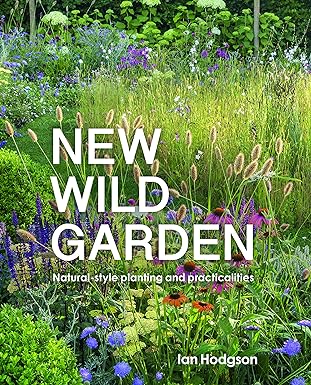
Frances Lincoln New Wild Garden: Natural-Style Planting and Practicalities by Ian Hodgson - Hardback Gardening Guide - Wildflower Meadows & Naturalistic DesignDiscover the art of naturalistic garden design with 'New Wild Garden' by Ian Hodgson. This beautifully illustrated hardback guide bridges the gap between theory and practice, providing a comprehensive reference for anyone looking to create a thriving wildflower meadow. Written by a former editor of The Garden magazine, it distills decades of horticultural expertise into an accessible and inspiring resource for gardeners of all levels. The book explores the naturalistic planting movement, showing readers how to incorporate wildflowers, real meadows, and looser prairie-style borders into gardens of any size. With its focus on considered plant selection and practical know-how, 'New Wild Garden' is an essential guide for anyone seeking to bring a touch of wild beauty to their outdoor space.9,49 £*Shipping: 2,99 £Secure redirect to the provider
-
Oneworld Publications Rise of the Robots by Martin Ford - FT & McKinsey Business Book of the Year - Non Fiction Paperback - Automation & AIRise of the Robots by Martin Ford is a sharp, evidence-driven look at how automation and artificial intelligence are reshaping the modern workplace. This paperback, winner of the FT and McKinsey Business Book of the Year, explains which jobs face the greatest risk and why productivity gains may no longer translate into wage growth. It's essential reading for students, business leaders, policymakers, and anyone curious about the future of work, blending rigorous economic analysis with clear, engaging storytelling. The book surveys decades of automation advances, from factory floors and logistics warehouses to white-collar professions once thought safe from disruption, showing why algorithms and machine learning increasingly threaten traditional career paths while opening new, unfamiliar ones. Ford argues that the convergence of technological advancements and shifting workforce needs will have a profound impact on the way we work and live.4,99 £*Shipping: 2,99 £Secure redirect to the provider
-
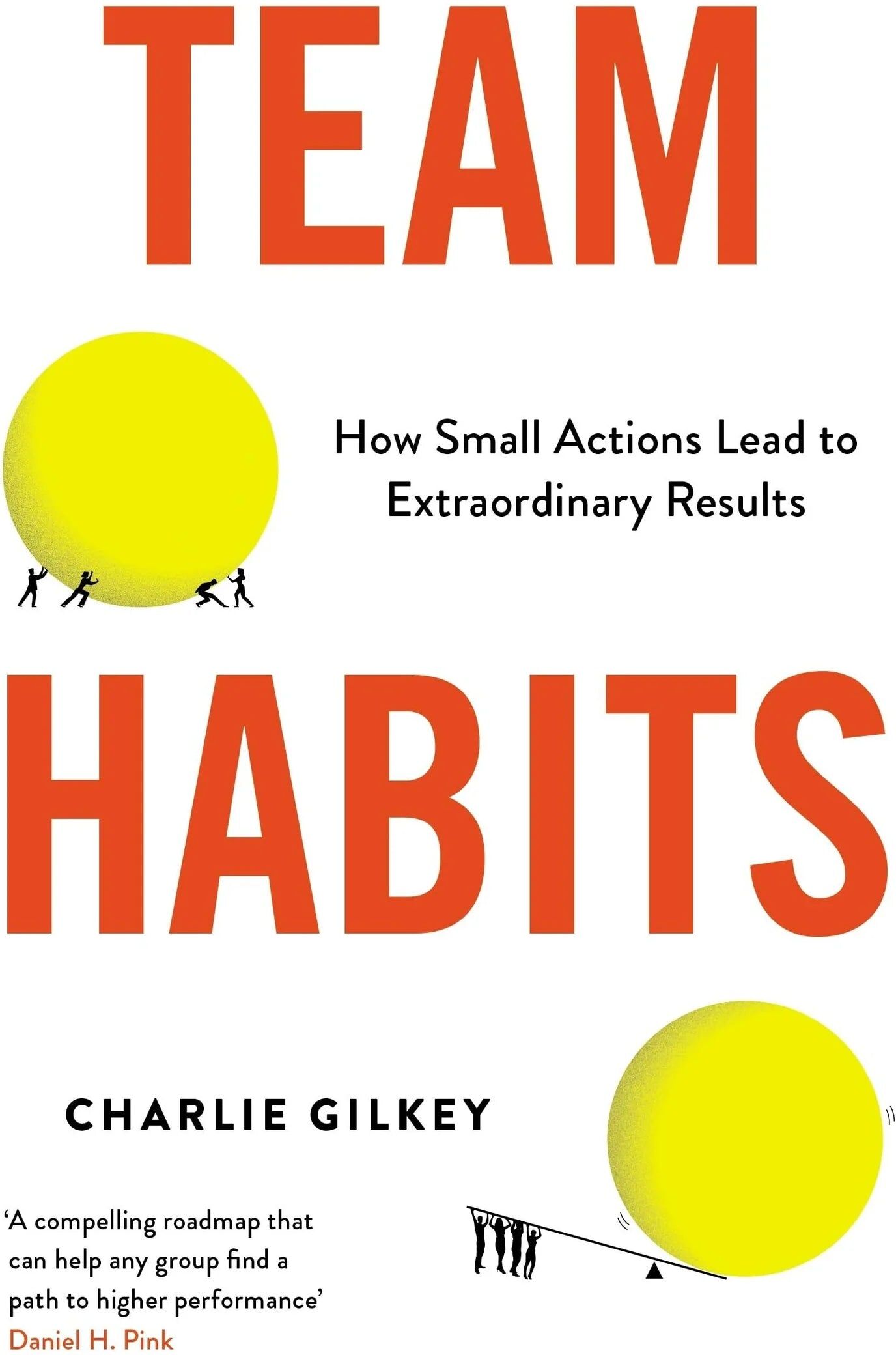
Profile Books Team Habits: How Small Actions Lead to Extraordinary Results by Charlie Gilkey - Paperback - Business & Productivity Non Fiction BookTeam Habits: How Small Actions Lead to Extraordinary Results is a practical handbook for anyone who works as part of a team. Productivity expert Charlie Gilkey shows that success isn't just about individual habits, but about the shared habits that shape how teams plan, communicate, and get things done. This book is packed with clear, actionable steps and a diagnostic quiz to help identify areas for improvement. It's essential reading for managers, team leads, and anyone who wants their collaborative work to feel more productive. Written by Charlie Gilkey and published by Profile Books, this book is a valuable resource for anyone looking to improve their team's productivity and achieve meaningful goals.3,49 £*Shipping: 2,99 £Secure redirect to the provider
-
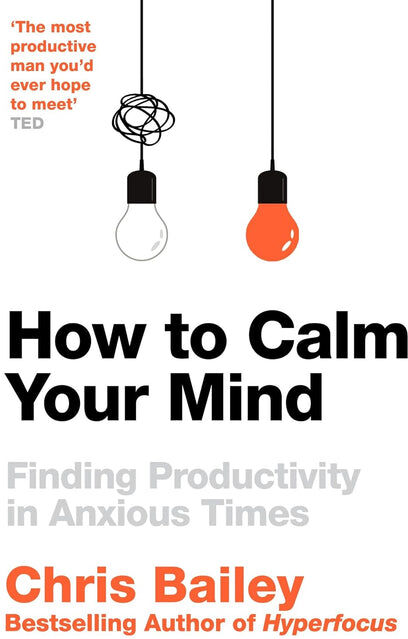
Pan Macmillan (Macmillan Business) How to Calm Your Mind: Finding Productivity in Anxious Times by Chris Bailey - Paperback - Non Fiction - Beat Burnout & Boost FocusDiscover how to calm your mind and find productivity in anxious times with this research-driven paperback from productivity expert Chris Bailey. After experiencing burnout, Bailey turned his research toward creating the mental space needed to do anything well. This book blends psychology, neuroscience, and personal story to help stressed professionals, students, and parents reclaim focus, creativity, and energy by treating calm as the foundation of getting things done well. Written by Chris Bailey, a renowned productivity expert who spent years studying the subject and testing techniques on himself, this book offers a unique perspective on achieving genuine productivity.2,99 £*Shipping: 2,99 £Secure redirect to the provider

-
What is a naturalistic question?
A naturalistic question is a type of inquiry that seeks to understand and describe the natural world and human behavior as they naturally occur, without imposing artificial constraints or experimental manipulations. These questions are often open-ended and exploratory, aiming to observe and interpret phenomena in their natural context. Naturalistic questions are commonly used in qualitative research methods such as ethnography, participant observation, and field studies to gain a deep understanding of social and cultural phenomena. **
-
Which poems with three stanzas are naturalistic?
One example of a naturalistic poem with three stanzas is "The Wild Swans at Coole" by W.B. Yeats. This poem describes the beauty of nature and the passage of time through the imagery of swans in a lake. Another example is "The Red Wheelbarrow" by William Carlos Williams, which focuses on the simplicity and beauty of everyday objects in a natural setting. Both of these poems use vivid descriptions of the natural world to evoke a sense of realism and connection to the environment. **
-
What is the moral justification for the naturalistic fallacy?
The moral justification for the naturalistic fallacy is rooted in the belief that what is natural is inherently good or right. This perspective argues that because something occurs in nature, it must be morally acceptable or desirable. However, this reasoning is flawed as it conflates descriptive statements about the way things are in nature with prescriptive statements about how things ought to be morally. Just because something is natural does not automatically make it morally right or ethical. **
-
What is the difference between practical syllogism and naturalistic fallacy?
Practical syllogism is a form of reasoning that involves making decisions or taking action based on practical considerations and goals. It is a type of reasoning that focuses on what should be done in a particular situation. On the other hand, naturalistic fallacy is a logical error that occurs when someone assumes that because something is natural, it is therefore good or right. It is a mistake in reasoning that confuses descriptive claims about what is natural with prescriptive claims about what ought to be done. In summary, practical syllogism is a form of practical reasoning, while naturalistic fallacy is a logical error related to assumptions about what is natural. **

Can someone explain to me what a naturalistic fallacy is?
The naturalistic fallacy is a philosophical concept that refers to the idea that just because something is natural, it is therefore good or right. This fallacy occurs when someone argues that something is morally acceptable or desirable simply because it is natural or occurs in nature. However, the naturalistic fallacy fails to consider that what is natural is not always morally good, and what is morally good is not always natural. It is important to recognize that the naturalistic fallacy can lead to flawed reasoning and ethical judgments. **
What is the difference between Hume's Law and the naturalistic fallacy?
Hume's Law, also known as the is-ought problem, is a philosophical principle articulated by the philosopher David Hume. It states that one cannot derive an "ought" (a moral or prescriptive statement) from an "is" (a descriptive statement about the way things are). In other words, just because something is a certain way, it does not necessarily mean that it ought to be that way. The naturalistic fallacy, on the other hand, is a specific type of error in reasoning that occurs when someone tries to derive a moral conclusion from a natural or descriptive premise. This fallacy is often associated with the philosopher G.E. Moore, who used it to criticize attempts to define "good" in terms of some natural property, such as pleasure or happiness. In summary, Hume's Law is a broader philosophical principle about the relationship between descriptive and prescriptive statements, while the naturalistic fallacy is a specific type of error that violates this principle by attempting to derive **
Top-Angebote
Products related to Non-naturalistic:
-
Uplift Picks Naturalistic Leaf Suction Cup Reptile Resting Platform For Frogs And Geckos Terrarium dark GreenCreate a comfortable elevated spot where your small pet can rest, climb, or observe its surroundings. This reptile leaf platform features realistic simulated foliage that adds natural character to a terrarium while providing usable vertical space....25,00 $*Shipping: 0,00 $Secure redirect to the provider
-
Ring Battery Video Doorbell Pro – Advanced Home Security & Connectivity, NewUpgrade your home security with the Ring Battery Video Doorbell Pro – Wireless Video Doorbell Security Camera . Designed to give you peace of mind, it delivers a head-to-toe 1536p HD view so you can see every detail clearly, from visitors to parcels at your doorstep. With advanced 3D Motion Detection and Bird’s Eye View , you’ll always know what’s happening around your home. The built-in colour night vision ensures crisp images even in the dark, while the wire-free battery design makes installation simple and flexible. Stay connected anywhere with instant notifications, two-way talk, and full integration with the Ring app, Alexa devices, and more. ✔️ Wireless video doorbell – Easy to install with a rechargeable battery, no wiring needed ✔️ 1536p HD head-to-toe view – See visitors and packages clearly in high definition ✔️ 3D Motion Detection & Bird’s Eye View – Advanced alerts and aerial perspective for extra security ✔️ Colour night vision – Crystal-clear video even in low light or darkness ✔️ Two-way talk with noise cancellation – Hear and speak to visitors in real time ✔️ Customisable motion zones – Focus on the areas that matter most ✔️ Smart alerts & notifications – Instant updates on your phone via the Ring app ✔️ Alexa compatible – Works seamlessly with Echo devices for hands-free monitoring ✔️ Quick-release battery pack – Easy to recharge and swap for uninterrupted security ✔️ Durable design – Built to withstand outdoor weather conditions The Ring Battery Video Doorbell Pro combines advanced motion detection, high-definition video, and smart home integration in one sleek device. Perfect for enhancing your home security, it ensures you never miss a visitor or delivery, day or night.174,49 £*Shipping: 0,00 £Secure redirect to the provider
-
Frances Lincoln New Wild Garden: Natural-Style Planting and Practicalities by Ian Hodgson - Hardback Gardening Guide - Wildflower Meadows & Naturalistic DesignDiscover the art of naturalistic garden design with 'New Wild Garden' by Ian Hodgson. This beautifully illustrated hardback guide bridges the gap between theory and practice, providing a comprehensive reference for anyone looking to create a thriving wildflower meadow. Written by a former editor of The Garden magazine, it distills decades of horticultural expertise into an accessible and inspiring resource for gardeners of all levels. The book explores the naturalistic planting movement, showing readers how to incorporate wildflowers, real meadows, and looser prairie-style borders into gardens of any size. With its focus on considered plant selection and practical know-how, 'New Wild Garden' is an essential guide for anyone seeking to bring a touch of wild beauty to their outdoor space.9,49 £*Shipping: 2,99 £Secure redirect to the provider
-
Oneworld Publications Rise of the Robots by Martin Ford - FT & McKinsey Business Book of the Year - Non Fiction Paperback - Automation & AIRise of the Robots by Martin Ford is a sharp, evidence-driven look at how automation and artificial intelligence are reshaping the modern workplace. This paperback, winner of the FT and McKinsey Business Book of the Year, explains which jobs face the greatest risk and why productivity gains may no longer translate into wage growth. It's essential reading for students, business leaders, policymakers, and anyone curious about the future of work, blending rigorous economic analysis with clear, engaging storytelling. The book surveys decades of automation advances, from factory floors and logistics warehouses to white-collar professions once thought safe from disruption, showing why algorithms and machine learning increasingly threaten traditional career paths while opening new, unfamiliar ones. Ford argues that the convergence of technological advancements and shifting workforce needs will have a profound impact on the way we work and live.4,99 £*Shipping: 2,99 £Secure redirect to the provider
-
Is the image naturalistic?
No, the image is not naturalistic. The colors are highly saturated and vibrant, giving it a surreal and dreamlike quality. The exaggerated proportions and whimsical elements, such as the oversized flowers and floating objects, further contribute to the fantastical nature of the image. Overall, the composition and style of the image suggest a departure from realism towards a more imaginative and artistic interpretation. **
-
Is the picture naturalistic?
Yes, the picture is naturalistic. The colors and details in the image closely resemble those found in nature, and the composition of the scene appears realistic. The lighting and shadows also contribute to the naturalistic quality of the picture. Overall, the image accurately represents the natural world. **
-
What is a naturalistic question?
A naturalistic question is a type of inquiry that seeks to understand and describe the natural world and human behavior as they naturally occur, without imposing artificial constraints or experimental manipulations. These questions are often open-ended and exploratory, aiming to observe and interpret phenomena in their natural context. Naturalistic questions are commonly used in qualitative research methods such as ethnography, participant observation, and field studies to gain a deep understanding of social and cultural phenomena. **
-
Which poems with three stanzas are naturalistic?
One example of a naturalistic poem with three stanzas is "The Wild Swans at Coole" by W.B. Yeats. This poem describes the beauty of nature and the passage of time through the imagery of swans in a lake. Another example is "The Red Wheelbarrow" by William Carlos Williams, which focuses on the simplicity and beauty of everyday objects in a natural setting. Both of these poems use vivid descriptions of the natural world to evoke a sense of realism and connection to the environment. **
Similar search terms for Non-naturalistic
-
Profile Books Team Habits: How Small Actions Lead to Extraordinary Results by Charlie Gilkey - Paperback - Business & Productivity Non Fiction BookTeam Habits: How Small Actions Lead to Extraordinary Results is a practical handbook for anyone who works as part of a team. Productivity expert Charlie Gilkey shows that success isn't just about individual habits, but about the shared habits that shape how teams plan, communicate, and get things done. This book is packed with clear, actionable steps and a diagnostic quiz to help identify areas for improvement. It's essential reading for managers, team leads, and anyone who wants their collaborative work to feel more productive. Written by Charlie Gilkey and published by Profile Books, this book is a valuable resource for anyone looking to improve their team's productivity and achieve meaningful goals.3,49 £*Shipping: 2,99 £Secure redirect to the provider
-
Pan Macmillan (Macmillan Business) How to Calm Your Mind: Finding Productivity in Anxious Times by Chris Bailey - Paperback - Non Fiction - Beat Burnout & Boost FocusDiscover how to calm your mind and find productivity in anxious times with this research-driven paperback from productivity expert Chris Bailey. After experiencing burnout, Bailey turned his research toward creating the mental space needed to do anything well. This book blends psychology, neuroscience, and personal story to help stressed professionals, students, and parents reclaim focus, creativity, and energy by treating calm as the foundation of getting things done well. Written by Chris Bailey, a renowned productivity expert who spent years studying the subject and testing techniques on himself, this book offers a unique perspective on achieving genuine productivity.2,99 £*Shipping: 2,99 £Secure redirect to the provider
-
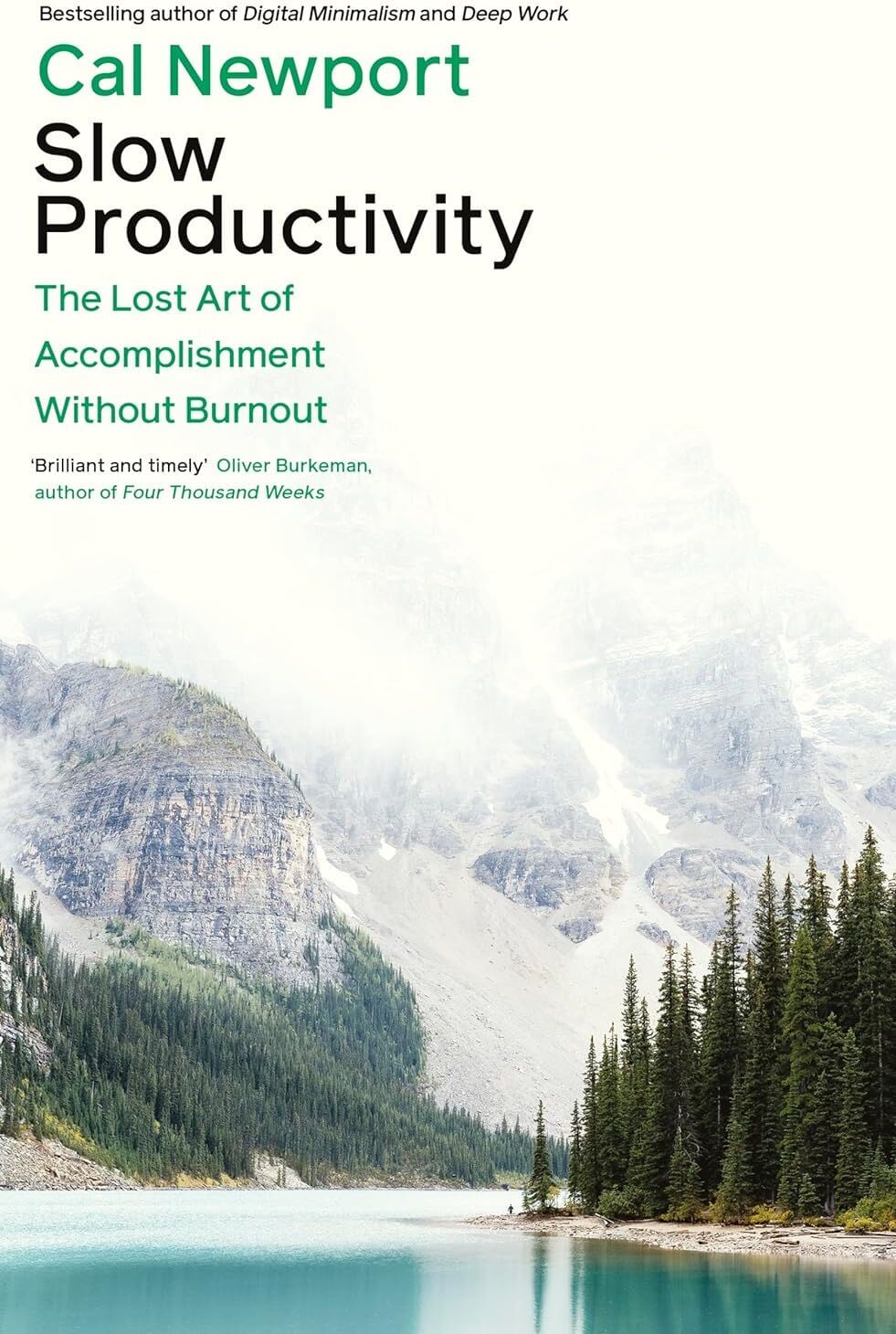
Various Publishers Cal Newport 4 Book Paperback Collection - Slow Productivity, Deep Work, Digital Minimalism, So Good They Can't Ignore You - Adult Non Fiction SetThis four-book paperback collection brings together Cal Newport's most influential works on focus, technology, and career growth. The set includes Slow Productivity: The Lost Art of Accomplishment Without Burnout, Deep Work: Rules for Focused Success in a Distracted World, Digital Minimalism: Choosing a Focused Life in a Noisy World, and So Good They Can't Ignore You: Why Skills Trump Passion in the Quest for Work You Love. Written by one of the sharpest voices on work and technology today, this collection offers a complete toolkit for working smarter and building a meaningful career. The books are published by Penguin Business and Piatkus, and are suitable for adult readers.38,99 £*Shipping: 0,00 £Secure redirect to the provider
-
Uplift Picks Naturalistic Leaf Suction Cup Reptile Resting Platform For Frogs And Geckos Terrarium light BlueCreate a comfortable elevated spot where your small pet can rest, climb, or observe its surroundings. This reptile leaf platform features realistic simulated foliage that adds natural character to a terrarium while providing usable vertical space....25,00 $*Shipping: 0,00 $Secure redirect to the provider
-
What is the moral justification for the naturalistic fallacy?
The moral justification for the naturalistic fallacy is rooted in the belief that what is natural is inherently good or right. This perspective argues that because something occurs in nature, it must be morally acceptable or desirable. However, this reasoning is flawed as it conflates descriptive statements about the way things are in nature with prescriptive statements about how things ought to be morally. Just because something is natural does not automatically make it morally right or ethical. **
-
What is the difference between practical syllogism and naturalistic fallacy?
Practical syllogism is a form of reasoning that involves making decisions or taking action based on practical considerations and goals. It is a type of reasoning that focuses on what should be done in a particular situation. On the other hand, naturalistic fallacy is a logical error that occurs when someone assumes that because something is natural, it is therefore good or right. It is a mistake in reasoning that confuses descriptive claims about what is natural with prescriptive claims about what ought to be done. In summary, practical syllogism is a form of practical reasoning, while naturalistic fallacy is a logical error related to assumptions about what is natural. **
-
Can someone explain to me what a naturalistic fallacy is?
The naturalistic fallacy is a philosophical concept that refers to the idea that just because something is natural, it is therefore good or right. This fallacy occurs when someone argues that something is morally acceptable or desirable simply because it is natural or occurs in nature. However, the naturalistic fallacy fails to consider that what is natural is not always morally good, and what is morally good is not always natural. It is important to recognize that the naturalistic fallacy can lead to flawed reasoning and ethical judgments. **
-
What is the difference between Hume's Law and the naturalistic fallacy?
Hume's Law, also known as the is-ought problem, is a philosophical principle articulated by the philosopher David Hume. It states that one cannot derive an "ought" (a moral or prescriptive statement) from an "is" (a descriptive statement about the way things are). In other words, just because something is a certain way, it does not necessarily mean that it ought to be that way. The naturalistic fallacy, on the other hand, is a specific type of error in reasoning that occurs when someone tries to derive a moral conclusion from a natural or descriptive premise. This fallacy is often associated with the philosopher G.E. Moore, who used it to criticize attempts to define "good" in terms of some natural property, such as pleasure or happiness. In summary, Hume's Law is a broader philosophical principle about the relationship between descriptive and prescriptive statements, while the naturalistic fallacy is a specific type of error that violates this principle by attempting to derive **
* All prices are inclusive of VAT and, if applicable, plus shipping costs. The offer information is based on the details provided by the respective shop and is updated through automated processes. Real-time updates do not occur, so deviations can occur in individual cases. ** Note: Parts of this content were created by AI.