Buy myls.eu ?
We are moving the project
myls.eu .
Are you interested in purchasing the domain
myls.eu ?
domain@kv-gmbh.de · 0541-91531010
Buy myls.eu ?
What is direct current technology?
Direct current (DC) technology is a type of electrical power transmission and distribution system in which the flow of electric charge is uni-directional. This means that the electric current flows in one direction, from the positive terminal to the negative terminal. DC technology is commonly used in small electronic devices, such as cell phones and laptops, as well as in some renewable energy systems, like solar panels and batteries. It is also used in some specialized industrial applications where a constant and stable power supply is required. **
What is alternating current technology 2?
Alternating current technology 2 refers to the use of alternating current (AC) in electrical systems. AC technology involves the flow of electric charge that periodically reverses direction, as opposed to direct current (DC) which flows in only one direction. AC technology is commonly used in power distribution systems, as it allows for the efficient transmission of electricity over long distances. It is also used in many household appliances and industrial machinery. **


Similar search terms for Current
Top-Angebote
Products related to Current:
-
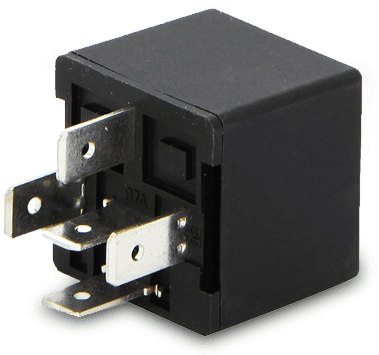
MAHLE MR 63 Relay, main currentRelay function: Low Beam, Heated rear window, Window Regulator, Rear Window Wiper, Klaxon, Fan, heater/air conditioning, Windscreen Wiper; Number of pins: 5; Rated Voltage [V]: 12; Quiescent current [mA]: 15; Rated current [A]: 40; Supplementary Article / Supplementary Info: with holder; Packaging width [cm]: 3,20; Packaging length [cm]: 3,9; Net Weight [g]: 30; Packaging height [cm]: 5,507,29 £*Shipping: 8,45 £Secure redirect to the provider


-
What technology does your current television have?
My current television is a smart TV, which means it has built-in internet connectivity and can access streaming services like Netflix, Hulu, and YouTube. It also has a 4K Ultra HD resolution, providing a high-quality picture with vibrant colors and sharp details. Additionally, it has voice control capabilities, allowing me to use voice commands to change channels, search for content, and control other smart home devices. **
-
Can economic efficiency and productivity develop mutually?
Yes, economic efficiency and productivity can develop mutually. When businesses and industries become more efficient in their operations, they can produce more output with the same amount of input, leading to increased productivity. Similarly, when productivity increases, it can drive economic efficiency by reducing waste and improving resource allocation. Therefore, as businesses and industries focus on improving efficiency and productivity, they can reinforce and support each other's development. **
-
What is the difference between efficiency and productivity?
Efficiency refers to how well resources are utilized to achieve a specific goal or output, while productivity measures the output or results generated from a specific amount of input or resources. Efficiency focuses on minimizing waste and maximizing output with the resources available, while productivity is a measure of how much output is produced relative to the input used. In essence, efficiency is about doing things right, while productivity is about doing the right things. **
-
Does increasing productivity lead to higher economic efficiency?
Yes, increasing productivity can lead to higher economic efficiency. When a company or economy can produce more output with the same input of resources, it can lead to lower production costs and higher profits. This can also lead to lower prices for consumers, which can increase overall economic welfare. Additionally, higher productivity can lead to increased competitiveness in the global market, which can further contribute to economic efficiency. **

What are the connections between efficiency and productivity?
Efficiency and productivity are closely connected in that efficiency refers to the ability to accomplish a task with minimal waste, effort, or cost, while productivity refers to the rate at which goods or services are produced. When a process or system is efficient, it can lead to increased productivity because it allows for more output to be generated with the same amount of input. Conversely, when productivity is high, it often indicates that the resources and processes are being used efficiently. Therefore, improving efficiency can lead to increased productivity, and vice versa, as they both contribute to the overall effectiveness of a business or organization. **
What is the difference between productivity, efficiency, and profitability?
Productivity refers to the amount of output produced per unit of input, such as time or resources. Efficiency, on the other hand, focuses on how well resources are used to achieve a specific goal or output. Profitability, meanwhile, is a measure of how efficiently a company generates profit relative to its costs and expenses. In essence, productivity is about output per input, efficiency is about resource utilization, and profitability is about the bottom line of a business. **
Top-Angebote
Products related to Current:
-
Current Softflex Dark Blue Grill Cover For Current Model G and Model G 2.0Protect your investment with the Ocean Colored Current Softflex Cover. It is lightweight yet built to withstand the elements and custom sized to fit your Current grill or griddle. Machine washable, and made to last and stylish.99,99 $*Shipping: 0,00 $Secure redirect to the provider
-
Borsehung B17806 Relay, main currentConstruction Year from: 01/2009, 11/1995, 03/2006, 01/1997, 06/2010, 11/1996, 05/2010, 10/1997, 09/1997, 08/1997, 03/2012, 08/2010, 02/2011, 02/2009, 08/2008, 04/2011, 09/2008, 09/1998, 08/1998, 05/2000, 03/2000, 10/1999, 06/2001, 04/2000, 01/2001, 02/2001, 04/2002, 06/2002, 02/2002, 09/2002, 08/2002, 05/2001, 12/2002, 10/2002, 01/2003, 09/2003, 05/2003, 03/2003, 08/2003, 04/2004, 05/2004, 07/2003, 01/2004, 03/2004, 10/2003, 12/2003, 02/2004, 02/2003, 07/2004, 08/2004, 09/2004, 06/2004, 01/2005, 03/2005, 05/2005, 11/2004, 02/2005, 08/2005, 07/2005, 11/2005, 10/2004, 01/2006, 12/2005, 04/2005, 10/2005, 09/2005, 09/2006, 06/2006, 10/2006, 05/2006, 11/2006, 12/2006, 08/2006, 07/2006, 06/2007, 07/2007, 01/2007, 02/2006, 11/2007, 10/2007, 05/2007, 09/2007, 04/2007, 08/2007, 01/2008, 02/2008, 05/2008, 04/2006, 12/2008, 02/2007, 11/2008, 10/2008, 07/2008, 04/2009, 07/2009, 09/2009, 12/2009, 11/2009, 03/2010, 08/2009, 01/2010, 02/2010, 04/2008, 07/20105,99 £*Shipping: 8,45 £Secure redirect to the provider
-
MAHLE MR 63 Relay, main currentRelay function: Low Beam, Heated rear window, Window Regulator, Rear Window Wiper, Klaxon, Fan, heater/air conditioning, Windscreen Wiper; Number of pins: 5; Rated Voltage [V]: 12; Quiescent current [mA]: 15; Rated current [A]: 40; Supplementary Article / Supplementary Info: with holder; Packaging width [cm]: 3,20; Packaging length [cm]: 3,9; Net Weight [g]: 30; Packaging height [cm]: 5,507,29 £*Shipping: 8,45 £Secure redirect to the provider
-
What is direct current technology?
Direct current (DC) technology is a type of electrical power transmission and distribution system in which the flow of electric charge is uni-directional. This means that the electric current flows in one direction, from the positive terminal to the negative terminal. DC technology is commonly used in small electronic devices, such as cell phones and laptops, as well as in some renewable energy systems, like solar panels and batteries. It is also used in some specialized industrial applications where a constant and stable power supply is required. **
-
What is alternating current technology 2?
Alternating current technology 2 refers to the use of alternating current (AC) in electrical systems. AC technology involves the flow of electric charge that periodically reverses direction, as opposed to direct current (DC) which flows in only one direction. AC technology is commonly used in power distribution systems, as it allows for the efficient transmission of electricity over long distances. It is also used in many household appliances and industrial machinery. **
-
What technology does your current television have?
My current television is a smart TV, which means it has built-in internet connectivity and can access streaming services like Netflix, Hulu, and YouTube. It also has a 4K Ultra HD resolution, providing a high-quality picture with vibrant colors and sharp details. Additionally, it has voice control capabilities, allowing me to use voice commands to change channels, search for content, and control other smart home devices. **
-
Can economic efficiency and productivity develop mutually?
Yes, economic efficiency and productivity can develop mutually. When businesses and industries become more efficient in their operations, they can produce more output with the same amount of input, leading to increased productivity. Similarly, when productivity increases, it can drive economic efficiency by reducing waste and improving resource allocation. Therefore, as businesses and industries focus on improving efficiency and productivity, they can reinforce and support each other's development. **
Similar search terms for Current
-
HERTH+BUSS ELPARTS 75613164 Relay, main currentSwitch Function: Changeover Contact; Rated Voltage [V]: 24; Current Strength [A]: 10, 20; Supplementary Article / Supplementary Info Info 2: with diode, with retaining strap; Number of pins: 5; Connector type: 5 x 6,3 mm; Plug Type: Blade Terminal; Width [mm]: 33; Height: 22; Depth [mm]: 33; Temperature range from [°C]: -30; Temperature range to [°C]: +80; Weight [g]: 316,59 £*Shipping: 8,45 £Secure redirect to the provider
-
What is the difference between efficiency and productivity?
Efficiency refers to how well resources are utilized to achieve a specific goal or output, while productivity measures the output or results generated from a specific amount of input or resources. Efficiency focuses on minimizing waste and maximizing output with the resources available, while productivity is a measure of how much output is produced relative to the input used. In essence, efficiency is about doing things right, while productivity is about doing the right things. **
-
Does increasing productivity lead to higher economic efficiency?
Yes, increasing productivity can lead to higher economic efficiency. When a company or economy can produce more output with the same input of resources, it can lead to lower production costs and higher profits. This can also lead to lower prices for consumers, which can increase overall economic welfare. Additionally, higher productivity can lead to increased competitiveness in the global market, which can further contribute to economic efficiency. **
-
What are the connections between efficiency and productivity?
Efficiency and productivity are closely connected in that efficiency refers to the ability to accomplish a task with minimal waste, effort, or cost, while productivity refers to the rate at which goods or services are produced. When a process or system is efficient, it can lead to increased productivity because it allows for more output to be generated with the same amount of input. Conversely, when productivity is high, it often indicates that the resources and processes are being used efficiently. Therefore, improving efficiency can lead to increased productivity, and vice versa, as they both contribute to the overall effectiveness of a business or organization. **
-
What is the difference between productivity, efficiency, and profitability?
Productivity refers to the amount of output produced per unit of input, such as time or resources. Efficiency, on the other hand, focuses on how well resources are used to achieve a specific goal or output. Profitability, meanwhile, is a measure of how efficiently a company generates profit relative to its costs and expenses. In essence, productivity is about output per input, efficiency is about resource utilization, and profitability is about the bottom line of a business. **
* All prices are inclusive of VAT and, if applicable, plus shipping costs. The offer information is based on the details provided by the respective shop and is updated through automated processes. Real-time updates do not occur, so deviations can occur in individual cases. ** Note: Parts of this content were created by AI.