Buy myls.eu ?
We are moving the project
myls.eu .
Are you interested in purchasing the domain
myls.eu ?
domain@kv-gmbh.de · 0541-91531010
Buy myls.eu ?
How can one get colleges or universities to buy one's own nonfiction books?
One way to get colleges or universities to buy your nonfiction books is to establish yourself as an expert in your field through speaking engagements, articles, and other forms of public recognition. This can help build your credibility and make your books more appealing to academic institutions. Additionally, reaching out directly to professors, department heads, or librarians at colleges and universities and offering to provide copies of your book for review or consideration for course adoption can also be effective. Finally, working with a literary agent or publishing company that specializes in academic or nonfiction books can help you navigate the process of getting your books into college and university libraries and curriculums. **
Can economic efficiency and productivity develop mutually?
Yes, economic efficiency and productivity can develop mutually. When businesses and industries become more efficient in their operations, they can produce more output with the same amount of input, leading to increased productivity. Similarly, when productivity increases, it can drive economic efficiency by reducing waste and improving resource allocation. Therefore, as businesses and industries focus on improving efficiency and productivity, they can reinforce and support each other's development. **
Similar search terms for Nonfiction
Top-Angebote
Products related to Nonfiction:
-
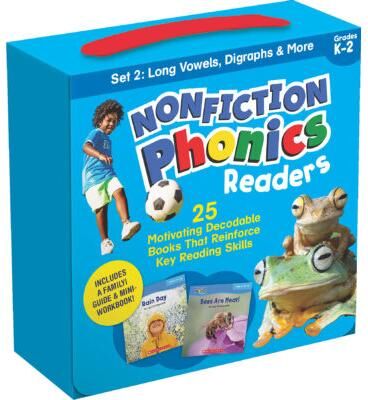
Nonfiction Phonics Readers SET 2: Long Vowels, Digraphs & MoreGive your child the tools to become a successful reader with this big collection of titles that target must-know concepts: long vowels, digraphs, two syllable words, and more. Each title features clear photos, just-right decodable text, and lively...20,39 $*Shipping: 0,00 $Secure redirect to the provider
-
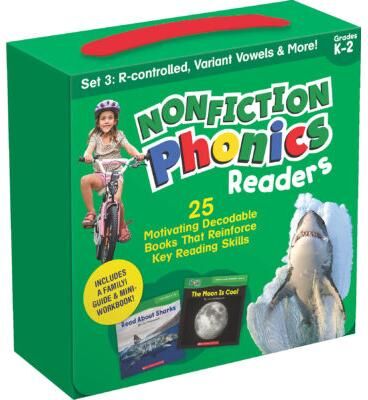
Nonfiction Phonics Readers SET 3: R-Control, Variant Vowels & MoreReinforce must-know phonics concepts with this cutting-edge series of nonfiction books! Each title features simple decodable text paired with clear, colorful photos to maximize learning and fun. From birds to birthdays, fast cars to big sharks―all...20,39 $*Shipping: 0,00 $Secure redirect to the provider
-
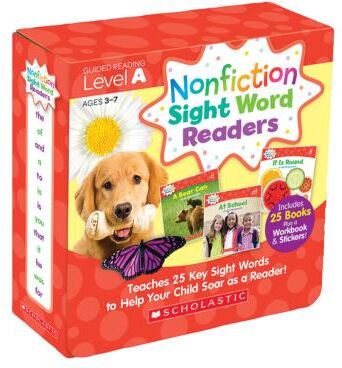
Scholastic Teaching Resources Nonfiction Sight Word Readers Parent Pack Level AParents can set the stage for their child to soar with these just-right books that teach the first 100 Fry sight words! Each box incParents can set the stage for their child to soar with these just-right books that teach the first 100 Fry sight...23,99 $*Shipping: 0,00 $Secure redirect to the provider
-
Fly Guy Presents: NonFiction Bundle (Pack of 12) (paperback) - by Tedd ArnoldFly Guy presents twelve books to help reading skills take flight. Award-winning author/illustrator Tedd Arnold combines his trademark whimsical artwork with real-life photographs and easily accessible facts about everything from bugs and bats to...39,99 $*Shipping: 0,00 $Secure redirect to the provider

-
What is the difference between efficiency and productivity?
Efficiency refers to how well resources are utilized to achieve a specific goal or output, while productivity measures the output or results generated from a specific amount of input or resources. Efficiency focuses on minimizing waste and maximizing output with the resources available, while productivity is a measure of how much output is produced relative to the input used. In essence, efficiency is about doing things right, while productivity is about doing the right things. **
-
Does increasing productivity lead to higher economic efficiency?
Yes, increasing productivity can lead to higher economic efficiency. When a company or economy can produce more output with the same input of resources, it can lead to lower production costs and higher profits. This can also lead to lower prices for consumers, which can increase overall economic welfare. Additionally, higher productivity can lead to increased competitiveness in the global market, which can further contribute to economic efficiency. **
-
What are the connections between efficiency and productivity?
Efficiency and productivity are closely connected in that efficiency refers to the ability to accomplish a task with minimal waste, effort, or cost, while productivity refers to the rate at which goods or services are produced. When a process or system is efficient, it can lead to increased productivity because it allows for more output to be generated with the same amount of input. Conversely, when productivity is high, it often indicates that the resources and processes are being used efficiently. Therefore, improving efficiency can lead to increased productivity, and vice versa, as they both contribute to the overall effectiveness of a business or organization. **
-
What is the difference between productivity, efficiency, and profitability?
Productivity refers to the amount of output produced per unit of input, such as time or resources. Efficiency, on the other hand, focuses on how well resources are used to achieve a specific goal or output. Profitability, meanwhile, is a measure of how efficiently a company generates profit relative to its costs and expenses. In essence, productivity is about output per input, efficiency is about resource utilization, and profitability is about the bottom line of a business. **

What is the relationship between productivity and economic efficiency?
Productivity and economic efficiency are closely related concepts. Productivity refers to the amount of output produced per unit of input, such as labor or capital. When productivity increases, more output is produced with the same amount of input, leading to greater economic efficiency. Economic efficiency, on the other hand, refers to the optimal allocation of resources to maximize output and minimize waste. Therefore, higher productivity often leads to greater economic efficiency as resources are used more effectively to produce goods and services. Conversely, lower productivity can lead to inefficiencies in resource allocation and reduced overall economic efficiency. **
How do profitability, productivity, and efficiency differ from each other?
Profitability refers to the ability of a company to generate profit, which is the difference between revenue and expenses. Productivity measures the output of goods or services produced per unit of input, such as labor or capital. Efficiency, on the other hand, focuses on how well resources are utilized to achieve a specific goal, often measured by the ratio of input to output. In summary, profitability is about generating profit, productivity is about output per input, and efficiency is about maximizing output with the resources available. **
Top-Angebote
Products related to Nonfiction:
-
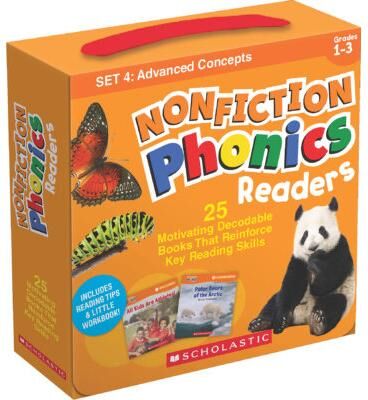
Scholastic Nonfiction Phonics Readers SET 4: Advanced ConceptsExpand your child's phonics skills with these informative books that target and teach important advanced concepts: prefixes, suffixes, vowel team exceptions, multisyllabic words, and more. Each title features clear photos, just-right decodable text,...20,39 $*Shipping: 0,00 $Secure redirect to the provider
-
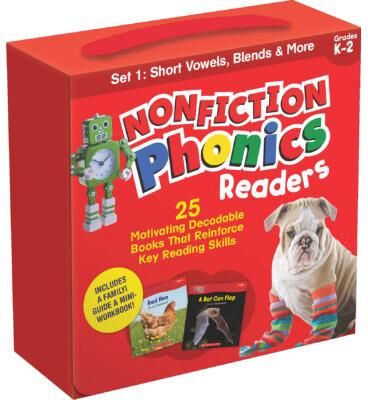
Nonfiction Phonics Readers SET 1: Short Vowels, Blends & MoreGive your child the tools to become a successful reader with this big collection of titles that target must-know concepts: short vowels, blends, plurals, and more. Each title features clear photos, just-right decodable text, and lively real-world...20,39 $*Shipping: 0,00 $Secure redirect to the provider
-
Nonfiction Phonics Readers SET 2: Long Vowels, Digraphs & MoreGive your child the tools to become a successful reader with this big collection of titles that target must-know concepts: long vowels, digraphs, two syllable words, and more. Each title features clear photos, just-right decodable text, and lively...20,39 $*Shipping: 0,00 $Secure redirect to the provider
-
Nonfiction Phonics Readers SET 3: R-Control, Variant Vowels & MoreReinforce must-know phonics concepts with this cutting-edge series of nonfiction books! Each title features simple decodable text paired with clear, colorful photos to maximize learning and fun. From birds to birthdays, fast cars to big sharks―all...20,39 $*Shipping: 0,00 $Secure redirect to the provider
-
How can one get colleges or universities to buy one's own nonfiction books?
One way to get colleges or universities to buy your nonfiction books is to establish yourself as an expert in your field through speaking engagements, articles, and other forms of public recognition. This can help build your credibility and make your books more appealing to academic institutions. Additionally, reaching out directly to professors, department heads, or librarians at colleges and universities and offering to provide copies of your book for review or consideration for course adoption can also be effective. Finally, working with a literary agent or publishing company that specializes in academic or nonfiction books can help you navigate the process of getting your books into college and university libraries and curriculums. **
-
Can economic efficiency and productivity develop mutually?
Yes, economic efficiency and productivity can develop mutually. When businesses and industries become more efficient in their operations, they can produce more output with the same amount of input, leading to increased productivity. Similarly, when productivity increases, it can drive economic efficiency by reducing waste and improving resource allocation. Therefore, as businesses and industries focus on improving efficiency and productivity, they can reinforce and support each other's development. **
-
What is the difference between efficiency and productivity?
Efficiency refers to how well resources are utilized to achieve a specific goal or output, while productivity measures the output or results generated from a specific amount of input or resources. Efficiency focuses on minimizing waste and maximizing output with the resources available, while productivity is a measure of how much output is produced relative to the input used. In essence, efficiency is about doing things right, while productivity is about doing the right things. **
-
Does increasing productivity lead to higher economic efficiency?
Yes, increasing productivity can lead to higher economic efficiency. When a company or economy can produce more output with the same input of resources, it can lead to lower production costs and higher profits. This can also lead to lower prices for consumers, which can increase overall economic welfare. Additionally, higher productivity can lead to increased competitiveness in the global market, which can further contribute to economic efficiency. **
Similar search terms for Nonfiction
-
Scholastic Teaching Resources Nonfiction Sight Word Readers Parent Pack Level AParents can set the stage for their child to soar with these just-right books that teach the first 100 Fry sight words! Each box incParents can set the stage for their child to soar with these just-right books that teach the first 100 Fry sight...23,99 $*Shipping: 0,00 $Secure redirect to the provider
-
Fly Guy Presents: NonFiction Bundle (Pack of 12) (paperback) - by Tedd ArnoldFly Guy presents twelve books to help reading skills take flight. Award-winning author/illustrator Tedd Arnold combines his trademark whimsical artwork with real-life photographs and easily accessible facts about everything from bugs and bats to...39,99 $*Shipping: 0,00 $Secure redirect to the provider
-
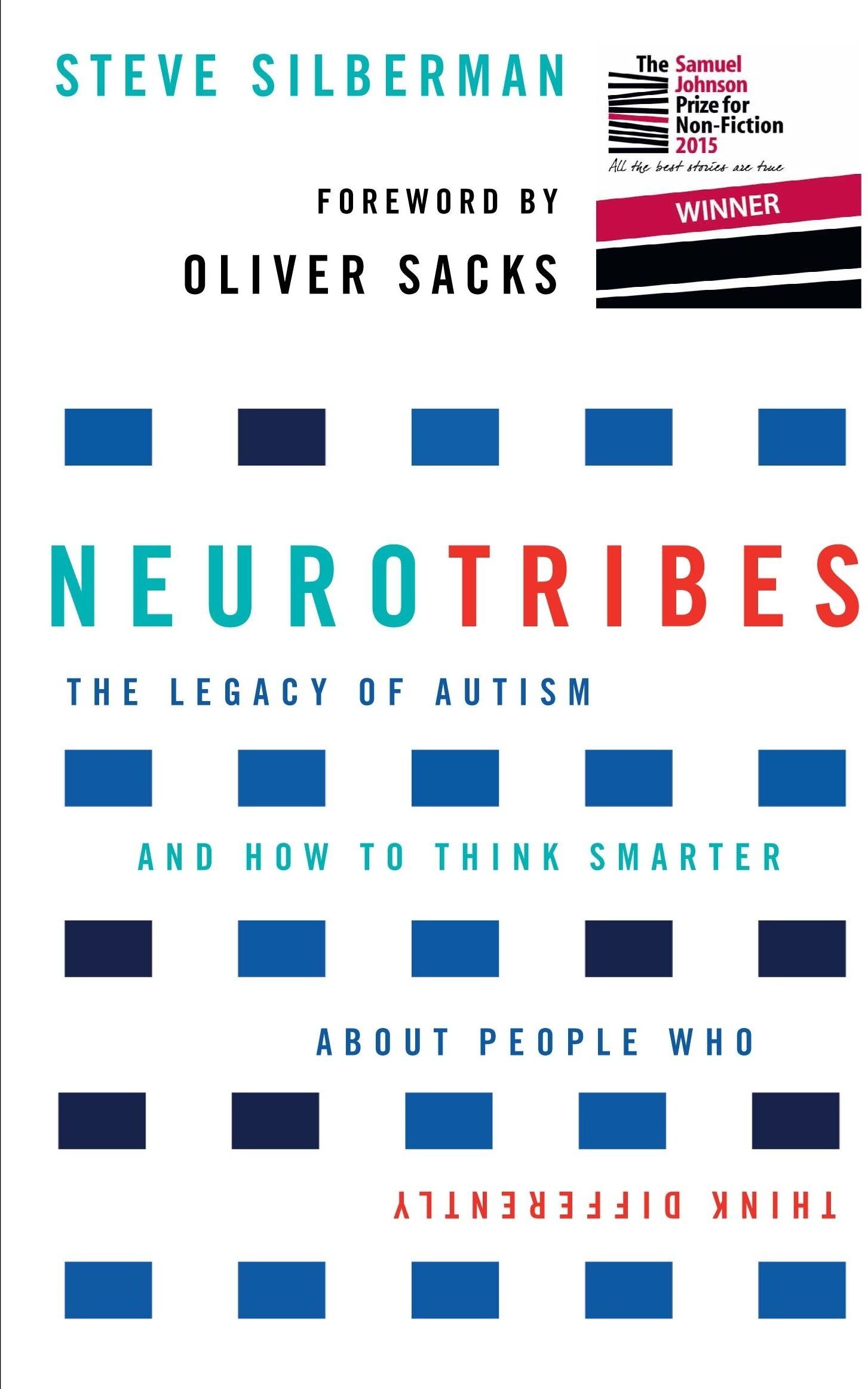
Allen and Unwin NeuroTribes: Winner of the Samuel Johnson Prize for NonfictionWhat is autism: a devastating developmental condition, a lifelong disability, or a naturally occurring form of cognitive difference akin to certain forms of genius? In truth, it is all of these things and more - and the future of our society depends on our understanding it. Following on from his groundbreaking article 'The Geek Syndrome', Wired reporter Steve Silberman unearths the secret history of autism, long suppressed by the same clinicians who became famous for discovering it, and finds surprising answers to the crucial question of why the number of diagnoses has soared in recent years. Going back to the earliest autism research and chronicling the brave and lonely journey of autistic people and their families through the decades, Silberman provides long-sought solutions to the autism puzzle while casting light on the growing movement of 'neurodiversity' and mapping out a path towards a more humane world for people with learning differences.7,95 £*Shipping: 2,99 £Secure redirect to the provider
-
Usborne Books, Nature nonfiction books 10 Books Collection Box Set Library for Kids (New Hardcover Books)Usborne Books, Nature nonfiction books 10 Books Box Set Library for Kids (New Hardcover Books) Reptiles This is a fantastic brand new addition to the 'Beginners' series, designed to provide an informative introduction to trees and plant-life for young readers. Tadpoles and Frogs Vivid, full colour illustrations and photographs on every page, accompanied by short, informative text. Rainforest It offers a terrific reading practice for children who prefer fact to fiction. It is developed with a reading expert from Roehampton University to help young readers grow in confidence. Trees This is a fantastic brand new addition to the 'Beginners' series; designed to provide an informative introduction to trees and plant-life for young readers. How Flowers Grow How do flowers grow in dry deserts? How do animals help to spread seeds? Which flower smells like rotting meat? Caterpillars and Butterflies Usborne Beginners are colourful information books for children beginning to read on their own. Spiders Usborne Beginners are colourful information books for children beginning to read on their own. Bugs Usborne Beginners are colourful information books for children beginning to read on their own. Bees and Wasps A slim and unintimidating book which belies its contents - a wealth of information; much of which will be new even to adults. Ants Where do ants live? What do they eat? How much weight can they carry? Little children can find out the answers to these questions and much more in this simple introduction to the world of ants. Related Tags: Usborne, Usbourne14,99 £*Shipping: 2,99 £Secure redirect to the provider
-
What are the connections between efficiency and productivity?
Efficiency and productivity are closely connected in that efficiency refers to the ability to accomplish a task with minimal waste, effort, or cost, while productivity refers to the rate at which goods or services are produced. When a process or system is efficient, it can lead to increased productivity because it allows for more output to be generated with the same amount of input. Conversely, when productivity is high, it often indicates that the resources and processes are being used efficiently. Therefore, improving efficiency can lead to increased productivity, and vice versa, as they both contribute to the overall effectiveness of a business or organization. **
-
What is the difference between productivity, efficiency, and profitability?
Productivity refers to the amount of output produced per unit of input, such as time or resources. Efficiency, on the other hand, focuses on how well resources are used to achieve a specific goal or output. Profitability, meanwhile, is a measure of how efficiently a company generates profit relative to its costs and expenses. In essence, productivity is about output per input, efficiency is about resource utilization, and profitability is about the bottom line of a business. **
-
What is the relationship between productivity and economic efficiency?
Productivity and economic efficiency are closely related concepts. Productivity refers to the amount of output produced per unit of input, such as labor or capital. When productivity increases, more output is produced with the same amount of input, leading to greater economic efficiency. Economic efficiency, on the other hand, refers to the optimal allocation of resources to maximize output and minimize waste. Therefore, higher productivity often leads to greater economic efficiency as resources are used more effectively to produce goods and services. Conversely, lower productivity can lead to inefficiencies in resource allocation and reduced overall economic efficiency. **
-
How do profitability, productivity, and efficiency differ from each other?
Profitability refers to the ability of a company to generate profit, which is the difference between revenue and expenses. Productivity measures the output of goods or services produced per unit of input, such as labor or capital. Efficiency, on the other hand, focuses on how well resources are utilized to achieve a specific goal, often measured by the ratio of input to output. In summary, profitability is about generating profit, productivity is about output per input, and efficiency is about maximizing output with the resources available. **
* All prices are inclusive of VAT and, if applicable, plus shipping costs. The offer information is based on the details provided by the respective shop and is updated through automated processes. Real-time updates do not occur, so deviations can occur in individual cases. ** Note: Parts of this content were created by AI.