Buy myls.eu ?
We are moving the project
myls.eu .
Are you interested in purchasing the domain
myls.eu ?
domain@kv-gmbh.de · 0541-91531010
Buy myls.eu ?
What is the connection between basic security and furniture?
Basic security and furniture are connected in the sense that furniture can play a role in enhancing security measures within a space. For example, sturdy furniture like heavy bookshelves or cabinets can be used to block entry points or create barriers in case of a security threat. Additionally, furniture with built-in locks or safes can provide a secure storage solution for valuable items. Proper placement of furniture can also help create clear pathways for movement and visibility, which are important factors in maintaining a secure environment. **
How did Reverse Flash and Flash become enemies?
Reverse Flash, also known as Eobard Thawne, became enemies with the Flash, Barry Allen, due to his obsession with the Flash and desire to be just like him. Thawne traveled back in time to meet his idol, but instead discovered that he was destined to become the Flash's greatest enemy. This realization, combined with Thawne's jealousy and twisted sense of admiration, led to a deep-seated hatred between the two speedsters, resulting in numerous conflicts and battles throughout the comics and TV shows. **


Similar search terms for Flash-Furniture-Angle-and
Top-Angebote
Products related to Flash-Furniture-Angle-and:
-
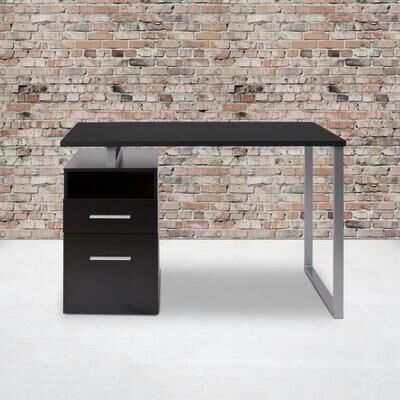
Flash Furniture Computer Desk with Two Drawers and Metal FrameBlending the engineered look of exposed frames and the organic feel of the light finish, this computer desk with two drawers is the perfect complement to your home or office space.238,99 $*Shipping: 0,00 $Secure redirect to the provider

-
Can economic efficiency and productivity develop mutually?
Yes, economic efficiency and productivity can develop mutually. When businesses and industries become more efficient in their operations, they can produce more output with the same amount of input, leading to increased productivity. Similarly, when productivity increases, it can drive economic efficiency by reducing waste and improving resource allocation. Therefore, as businesses and industries focus on improving efficiency and productivity, they can reinforce and support each other's development. **
-
What is the difference between Flash and Reverse Flash?
The main difference between Flash and Reverse Flash is their motivations and intentions. Flash, also known as Barry Allen, is a superhero who uses his super speed to fight crime and protect the innocent. On the other hand, Reverse Flash, also known as Eobard Thawne, is a villain who uses his speed for personal gain and to cause chaos. Additionally, their powers are slightly different, with Reverse Flash often being portrayed as faster and more powerful than Flash. **
-
What is the difference between efficiency and productivity?
Efficiency refers to how well resources are utilized to achieve a specific goal or output, while productivity measures the output or results generated from a specific amount of input or resources. Efficiency focuses on minimizing waste and maximizing output with the resources available, while productivity is a measure of how much output is produced relative to the input used. In essence, efficiency is about doing things right, while productivity is about doing the right things. **
-
What are the connections between efficiency and productivity?
Efficiency and productivity are closely connected in that efficiency refers to the ability to accomplish a task with minimal waste, effort, or cost, while productivity refers to the rate at which goods or services are produced. When a process or system is efficient, it can lead to increased productivity because it allows for more output to be generated with the same amount of input. Conversely, when productivity is high, it often indicates that the resources and processes are being used efficiently. Therefore, improving efficiency can lead to increased productivity, and vice versa, as they both contribute to the overall effectiveness of a business or organization. **

What is the difference between productivity, efficiency, and profitability?
Productivity refers to the amount of output produced per unit of input, such as time or resources. Efficiency, on the other hand, focuses on how well resources are used to achieve a specific goal or output. Profitability, meanwhile, is a measure of how efficiently a company generates profit relative to its costs and expenses. In essence, productivity is about output per input, efficiency is about resource utilization, and profitability is about the bottom line of a business. **
What is the relationship between productivity and economic efficiency?
Productivity and economic efficiency are closely related concepts. Productivity refers to the amount of output produced per unit of input, such as labor or capital. When productivity increases, more output is produced with the same amount of input, leading to greater economic efficiency. Economic efficiency, on the other hand, refers to the optimal allocation of resources to maximize output and minimize waste. Therefore, higher productivity often leads to greater economic efficiency as resources are used more effectively to produce goods and services. Conversely, lower productivity can lead to inefficiencies in resource allocation and reduced overall economic efficiency. **
Top-Angebote
Products related to Flash-Furniture-Angle-and:
-
Flash Furniture Computer Desk with Two Drawers and Metal FrameBlending the engineered look of exposed frames and the organic feel of the light finish, this computer desk with two drawers is the perfect complement to your home or office space.238,99 $*Shipping: 0,00 $Secure redirect to the provider
-
What is the connection between basic security and furniture?
Basic security and furniture are connected in the sense that furniture can play a role in enhancing security measures within a space. For example, sturdy furniture like heavy bookshelves or cabinets can be used to block entry points or create barriers in case of a security threat. Additionally, furniture with built-in locks or safes can provide a secure storage solution for valuable items. Proper placement of furniture can also help create clear pathways for movement and visibility, which are important factors in maintaining a secure environment. **
-
How did Reverse Flash and Flash become enemies?
Reverse Flash, also known as Eobard Thawne, became enemies with the Flash, Barry Allen, due to his obsession with the Flash and desire to be just like him. Thawne traveled back in time to meet his idol, but instead discovered that he was destined to become the Flash's greatest enemy. This realization, combined with Thawne's jealousy and twisted sense of admiration, led to a deep-seated hatred between the two speedsters, resulting in numerous conflicts and battles throughout the comics and TV shows. **
-
Can economic efficiency and productivity develop mutually?
Yes, economic efficiency and productivity can develop mutually. When businesses and industries become more efficient in their operations, they can produce more output with the same amount of input, leading to increased productivity. Similarly, when productivity increases, it can drive economic efficiency by reducing waste and improving resource allocation. Therefore, as businesses and industries focus on improving efficiency and productivity, they can reinforce and support each other's development. **
-
What is the difference between Flash and Reverse Flash?
The main difference between Flash and Reverse Flash is their motivations and intentions. Flash, also known as Barry Allen, is a superhero who uses his super speed to fight crime and protect the innocent. On the other hand, Reverse Flash, also known as Eobard Thawne, is a villain who uses his speed for personal gain and to cause chaos. Additionally, their powers are slightly different, with Reverse Flash often being portrayed as faster and more powerful than Flash. **
Similar search terms for Flash-Furniture-Angle-and
-
What is the difference between efficiency and productivity?
Efficiency refers to how well resources are utilized to achieve a specific goal or output, while productivity measures the output or results generated from a specific amount of input or resources. Efficiency focuses on minimizing waste and maximizing output with the resources available, while productivity is a measure of how much output is produced relative to the input used. In essence, efficiency is about doing things right, while productivity is about doing the right things. **
-
What are the connections between efficiency and productivity?
Efficiency and productivity are closely connected in that efficiency refers to the ability to accomplish a task with minimal waste, effort, or cost, while productivity refers to the rate at which goods or services are produced. When a process or system is efficient, it can lead to increased productivity because it allows for more output to be generated with the same amount of input. Conversely, when productivity is high, it often indicates that the resources and processes are being used efficiently. Therefore, improving efficiency can lead to increased productivity, and vice versa, as they both contribute to the overall effectiveness of a business or organization. **
-
What is the difference between productivity, efficiency, and profitability?
Productivity refers to the amount of output produced per unit of input, such as time or resources. Efficiency, on the other hand, focuses on how well resources are used to achieve a specific goal or output. Profitability, meanwhile, is a measure of how efficiently a company generates profit relative to its costs and expenses. In essence, productivity is about output per input, efficiency is about resource utilization, and profitability is about the bottom line of a business. **
-
What is the relationship between productivity and economic efficiency?
Productivity and economic efficiency are closely related concepts. Productivity refers to the amount of output produced per unit of input, such as labor or capital. When productivity increases, more output is produced with the same amount of input, leading to greater economic efficiency. Economic efficiency, on the other hand, refers to the optimal allocation of resources to maximize output and minimize waste. Therefore, higher productivity often leads to greater economic efficiency as resources are used more effectively to produce goods and services. Conversely, lower productivity can lead to inefficiencies in resource allocation and reduced overall economic efficiency. **
* All prices are inclusive of VAT and, if applicable, plus shipping costs. The offer information is based on the details provided by the respective shop and is updated through automated processes. Real-time updates do not occur, so deviations can occur in individual cases. ** Note: Parts of this content were created by AI.