Buy myls.eu ?
We are moving the project
myls.eu .
Are you interested in purchasing the domain
myls.eu ?
domain@kv-gmbh.de · 0541-91531010
Buy myls.eu ?
What are snowflakes?
Snowflakes are ice crystals that form in the atmosphere when water vapor condenses and freezes around a tiny particle, such as dust or pollen. Each snowflake is unique in its shape and structure, due to the varying temperature and humidity conditions in which it forms. Snowflakes can have intricate and symmetrical patterns, and they come in a wide variety of shapes and sizes. When many snowflakes accumulate, they create the fluffy white blanket we know as snow. **
Do snowflakes have points?
Yes, snowflakes have points. Snowflakes form when water vapor in the atmosphere condenses and freezes around a tiny particle, creating a unique crystalline structure. This structure results in the formation of intricate, six-sided snowflakes with pointed edges and branches. Each snowflake's points and patterns are determined by the temperature and humidity conditions it encounters as it falls to the ground. **
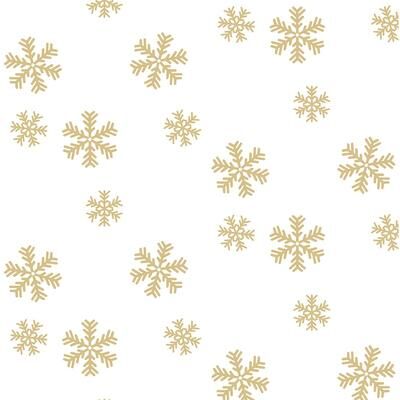

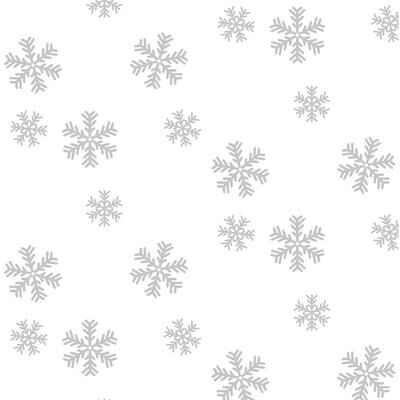
Similar search terms for NextWall-Snowflakes-Peel-and
Top-Angebote
Products related to NextWall-Snowflakes-Peel-and:
-
NextWall Pomegranate Peel and Stick WallpaperFlowered pomegranates flourish amongst blooming leaves and branches in this lively Pomegranate wallpaper pattern by NextWall. The vibrant, succulent colorways and playful design will bring a taste of summer, ripening any room its applied.49,99 $*Shipping: 0,00 $Secure redirect to the provider


-
Can economic efficiency and productivity develop mutually?
Yes, economic efficiency and productivity can develop mutually. When businesses and industries become more efficient in their operations, they can produce more output with the same amount of input, leading to increased productivity. Similarly, when productivity increases, it can drive economic efficiency by reducing waste and improving resource allocation. Therefore, as businesses and industries focus on improving efficiency and productivity, they can reinforce and support each other's development. **
-
How are large snowflakes formed?
Large snowflakes are formed when multiple ice crystals stick together as they fall through the atmosphere. This can happen when the temperature and humidity conditions are just right for the ice crystals to bond together. As the snowflake falls through different temperature and humidity layers in the atmosphere, it can grow in size by accumulating more ice crystals. The shape and size of a snowflake can also be influenced by factors such as wind patterns and the amount of moisture in the air. **
-
Why are snowflakes so beautiful?
Snowflakes are considered beautiful because of their intricate and symmetrical crystalline structure. Each snowflake is unique, with its own pattern of ice crystals forming as it falls through the atmosphere. The delicate and intricate designs of snowflakes are visually appealing, making them a symbol of winter wonder and natural beauty. The way they reflect light and sparkle adds to their charm and beauty. **
-
Why are snowflakes always hexagonal?
Snowflakes are always hexagonal because of the way water molecules arrange themselves when they freeze. As water vapor condenses and freezes into ice crystals, the water molecules form a hexagonal lattice structure due to the arrangement of the hydrogen and oxygen atoms. This hexagonal structure is the most stable and efficient way for the water molecules to bond together, resulting in the characteristic six-sided shape of snowflakes. This natural hexagonal structure is what gives snowflakes their unique and intricate patterns. **

What do snowflakes look like?
Snowflakes are delicate, symmetrical ice crystals that form in the atmosphere when water vapor condenses and freezes around a dust particle. They have a hexagonal (six-sided) structure and can come in a variety of intricate and unique patterns. Under a microscope, snowflakes reveal their intricate beauty, with each one having its own individual shape and design. Overall, snowflakes are known for their stunning and intricate appearance, making them a symbol of winter's beauty. **
Who else annoys the snowflakes?
In addition to the sun, wind can also annoy snowflakes. When the wind blows, it can cause snowflakes to be blown around and disrupted, making it difficult for them to settle and accumulate on the ground. Strong winds can also create snowdrifts and cause snow to be blown into people's faces, further annoying the snowflakes. **
Top-Angebote
Products related to NextWall-Snowflakes-Peel-and:
-
NextWall Pomegranate Peel and Stick WallpaperFlowered pomegranates flourish amongst blooming leaves and branches in this lively Pomegranate wallpaper pattern by NextWall. The vibrant, succulent colorways and playful design will bring a taste of summer, ripening any room its applied.49,99 $*Shipping: 0,00 $Secure redirect to the provider
-
What are snowflakes?
Snowflakes are ice crystals that form in the atmosphere when water vapor condenses and freezes around a tiny particle, such as dust or pollen. Each snowflake is unique in its shape and structure, due to the varying temperature and humidity conditions in which it forms. Snowflakes can have intricate and symmetrical patterns, and they come in a wide variety of shapes and sizes. When many snowflakes accumulate, they create the fluffy white blanket we know as snow. **
-
Do snowflakes have points?
Yes, snowflakes have points. Snowflakes form when water vapor in the atmosphere condenses and freezes around a tiny particle, creating a unique crystalline structure. This structure results in the formation of intricate, six-sided snowflakes with pointed edges and branches. Each snowflake's points and patterns are determined by the temperature and humidity conditions it encounters as it falls to the ground. **
-
Can economic efficiency and productivity develop mutually?
Yes, economic efficiency and productivity can develop mutually. When businesses and industries become more efficient in their operations, they can produce more output with the same amount of input, leading to increased productivity. Similarly, when productivity increases, it can drive economic efficiency by reducing waste and improving resource allocation. Therefore, as businesses and industries focus on improving efficiency and productivity, they can reinforce and support each other's development. **
-
How are large snowflakes formed?
Large snowflakes are formed when multiple ice crystals stick together as they fall through the atmosphere. This can happen when the temperature and humidity conditions are just right for the ice crystals to bond together. As the snowflake falls through different temperature and humidity layers in the atmosphere, it can grow in size by accumulating more ice crystals. The shape and size of a snowflake can also be influenced by factors such as wind patterns and the amount of moisture in the air. **
Similar search terms for NextWall-Snowflakes-Peel-and
-
Why are snowflakes so beautiful?
Snowflakes are considered beautiful because of their intricate and symmetrical crystalline structure. Each snowflake is unique, with its own pattern of ice crystals forming as it falls through the atmosphere. The delicate and intricate designs of snowflakes are visually appealing, making them a symbol of winter wonder and natural beauty. The way they reflect light and sparkle adds to their charm and beauty. **
-
Why are snowflakes always hexagonal?
Snowflakes are always hexagonal because of the way water molecules arrange themselves when they freeze. As water vapor condenses and freezes into ice crystals, the water molecules form a hexagonal lattice structure due to the arrangement of the hydrogen and oxygen atoms. This hexagonal structure is the most stable and efficient way for the water molecules to bond together, resulting in the characteristic six-sided shape of snowflakes. This natural hexagonal structure is what gives snowflakes their unique and intricate patterns. **
-
What do snowflakes look like?
Snowflakes are delicate, symmetrical ice crystals that form in the atmosphere when water vapor condenses and freezes around a dust particle. They have a hexagonal (six-sided) structure and can come in a variety of intricate and unique patterns. Under a microscope, snowflakes reveal their intricate beauty, with each one having its own individual shape and design. Overall, snowflakes are known for their stunning and intricate appearance, making them a symbol of winter's beauty. **
-
Who else annoys the snowflakes?
In addition to the sun, wind can also annoy snowflakes. When the wind blows, it can cause snowflakes to be blown around and disrupted, making it difficult for them to settle and accumulate on the ground. Strong winds can also create snowdrifts and cause snow to be blown into people's faces, further annoying the snowflakes. **
* All prices are inclusive of VAT and, if applicable, plus shipping costs. The offer information is based on the details provided by the respective shop and is updated through automated processes. Real-time updates do not occur, so deviations can occur in individual cases. ** Note: Parts of this content were created by AI.