Buy myls.eu ?
We are moving the project
myls.eu .
Are you interested in purchasing the domain
myls.eu ?
domain@kv-gmbh.de · 0541-91531010
Buy myls.eu ?
Can economic efficiency and productivity develop mutually?
Yes, economic efficiency and productivity can develop mutually. When businesses and industries become more efficient in their operations, they can produce more output with the same amount of input, leading to increased productivity. Similarly, when productivity increases, it can drive economic efficiency by reducing waste and improving resource allocation. Therefore, as businesses and industries focus on improving efficiency and productivity, they can reinforce and support each other's development. **
What is the difference between efficiency and productivity?
Efficiency refers to how well resources are utilized to achieve a specific goal or output, while productivity measures the output or results generated from a specific amount of input or resources. Efficiency focuses on minimizing waste and maximizing output with the resources available, while productivity is a measure of how much output is produced relative to the input used. In essence, efficiency is about doing things right, while productivity is about doing the right things. **


Similar search terms for Practical
Top-Angebote
Products related to Practical:
-
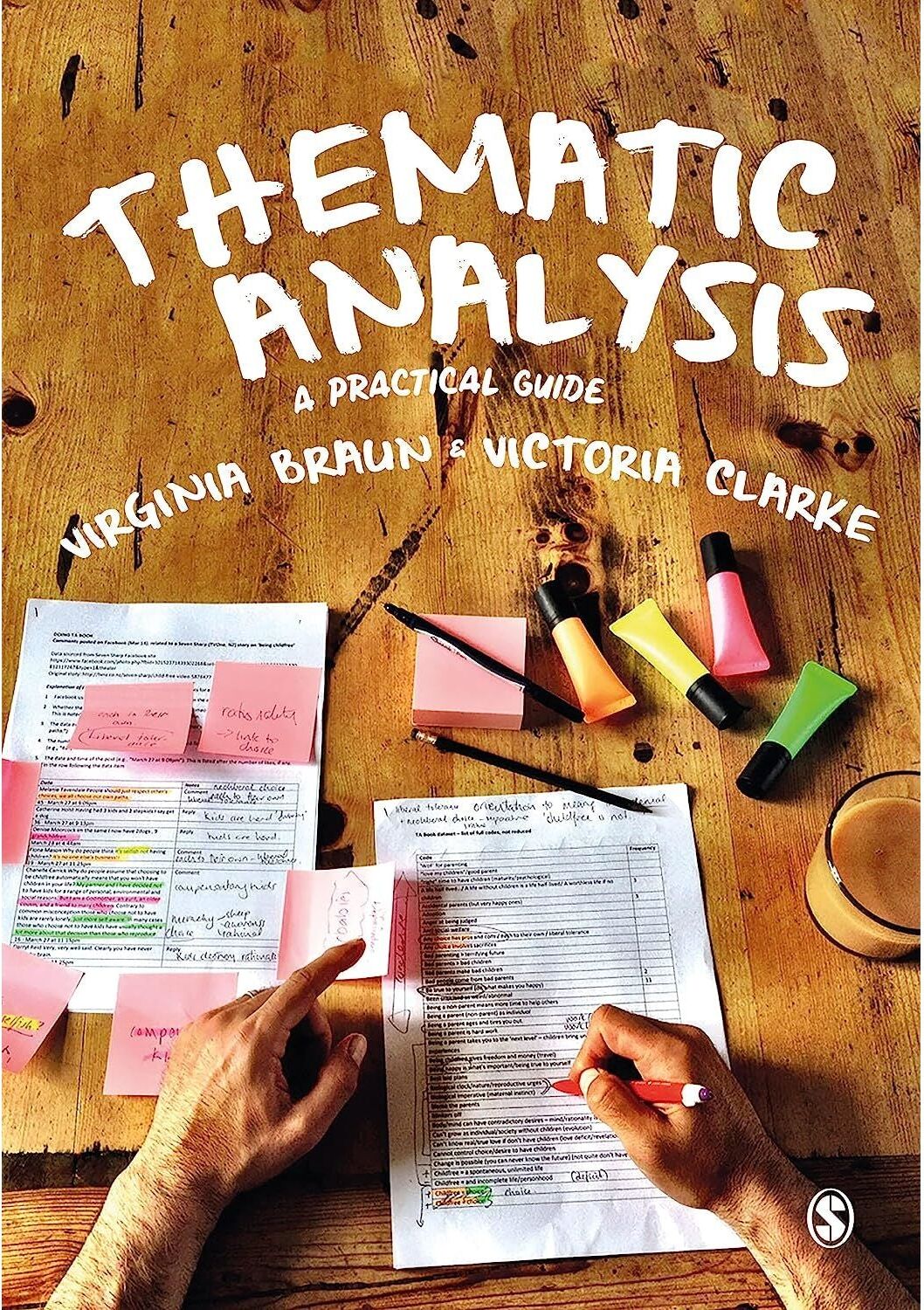
SAGE Publications Thematic Analysis: A Practical GuideDeveloped and adapted by the authors of this book, thematic analysis (TA) is one of the most popular qualitative data analytic techniques in psychology and the social and health sciences. Building on the success of Braun & Clarke′s 2006 paper first outlining their approach - which has over 100,000 citations on Google Scholar - this book is the definitive guide to TA, covering:- Contextualisation of TA- Developing themes- Writing TA reports- Reflexive TAIt addresses the common questions surrounding TA as well as developments in the field, offering a highly accessible and practical discussion of doing TA situated within a clear understanding of the wider terrain of qualitative research.Virginia Braun is a Professor in the School of Psychology at The University of Auckland, Aotearoa New Zealand.Victoria Clarke is an Associate Professor in Qualitative and Critical Psychology in the Department of Social Sciences at the University of the West of England (UWE), Bristol.35,49 £*Shipping: 0,00 £Secure redirect to the provider
-
Youfap Market Lip Kiss Toothpaste Squeezer, Fun & Practical Bathroom Tube Dispenser Set Lip Kiss Toothpaste Squeezer, Fun & Practical Bathroom Tube Dispenser SetSay goodbye to wasting toothpaste and cream with our 2Pcs Lip Kiss Toothpaste Squeezer. Designed with a playful, sexy lip kiss shape, this home essential brings both functionality and style to your bathroom. Ideal for families, couples, or anyone...29,97 $*Shipping: 0,00 $Secure redirect to the provider



-
Does increasing productivity lead to higher economic efficiency?
Yes, increasing productivity can lead to higher economic efficiency. When a company or economy can produce more output with the same input of resources, it can lead to lower production costs and higher profits. This can also lead to lower prices for consumers, which can increase overall economic welfare. Additionally, higher productivity can lead to increased competitiveness in the global market, which can further contribute to economic efficiency. **
-
What are the connections between efficiency and productivity?
Efficiency and productivity are closely connected in that efficiency refers to the ability to accomplish a task with minimal waste, effort, or cost, while productivity refers to the rate at which goods or services are produced. When a process or system is efficient, it can lead to increased productivity because it allows for more output to be generated with the same amount of input. Conversely, when productivity is high, it often indicates that the resources and processes are being used efficiently. Therefore, improving efficiency can lead to increased productivity, and vice versa, as they both contribute to the overall effectiveness of a business or organization. **
-
What is the difference between productivity, efficiency, and profitability?
Productivity refers to the amount of output produced per unit of input, such as time or resources. Efficiency, on the other hand, focuses on how well resources are used to achieve a specific goal or output. Profitability, meanwhile, is a measure of how efficiently a company generates profit relative to its costs and expenses. In essence, productivity is about output per input, efficiency is about resource utilization, and profitability is about the bottom line of a business. **
-
What is the relationship between productivity and economic efficiency?
Productivity and economic efficiency are closely related concepts. Productivity refers to the amount of output produced per unit of input, such as labor or capital. When productivity increases, more output is produced with the same amount of input, leading to greater economic efficiency. Economic efficiency, on the other hand, refers to the optimal allocation of resources to maximize output and minimize waste. Therefore, higher productivity often leads to greater economic efficiency as resources are used more effectively to produce goods and services. Conversely, lower productivity can lead to inefficiencies in resource allocation and reduced overall economic efficiency. **


What opportunities does the educator training offer, both traditionally and through practical integration?
Educator training offers traditional opportunities such as learning about educational theories, teaching methods, and classroom management. It also provides practical integration through hands-on experience in real classroom settings, allowing trainees to apply their knowledge and skills in a practical setting. This practical integration allows educators to gain valuable experience and develop their teaching style while receiving feedback and guidance from experienced mentors. Additionally, educator training often includes opportunities for networking and professional development, which can help educators stay current with the latest trends and best practices in the field. **
Are bangs practical?
Bangs can be practical for some people, as they can help frame the face, hide forehead wrinkles, or add a stylish touch to a hairstyle. However, they may require regular maintenance to keep them looking their best, such as trimming to prevent them from getting too long or in the eyes. Ultimately, whether bangs are practical will depend on an individual's hair type, face shape, and personal style preferences. **
Top-Angebote
Products related to Practical:
-
John Murray Anxiety: Practical About Panic: A Practical Guide to Understanding and Overcoming Anxiety DisorderDo you suffer from anxiety and panic? So did Joshua Fletcher, the author of the self-published bestseller ANXIETY: PANICKING ABOUT PANIC - but he treated his own condition successfully, went back to school, became a counsellor and emerged as one of the country's leading experts. ANXIETY: PRACTICAL ABOUT PANIC is a complete, easy to read and hugely practical book about anxiety from someone who knows how to recover and live your life to the full - and will show you how. Concentrating on the actions that you can take to alleviate and overcome your worries, this book is all about you and what you need to do to improve your life.8,99 £*Shipping: 2,99 £Secure redirect to the provider
-
Uplifted Finds Funny Battle Table Game & Practical Joke Toy Funny Battle Table Game & Practical Joke Toy"Add a burst of excitement to your next gathering with this Funny Battle Table Game, a practical joke toy designed for highenergy interaction. This antistress toy features a manual ""fight battle"" mechanism where players compete to outmaneuver each..."49,97 $*Shipping: 0,00 $Secure redirect to the provider
-
SAGE Publications Thematic Analysis: A Practical GuideDeveloped and adapted by the authors of this book, thematic analysis (TA) is one of the most popular qualitative data analytic techniques in psychology and the social and health sciences. Building on the success of Braun & Clarke′s 2006 paper first outlining their approach - which has over 100,000 citations on Google Scholar - this book is the definitive guide to TA, covering:- Contextualisation of TA- Developing themes- Writing TA reports- Reflexive TAIt addresses the common questions surrounding TA as well as developments in the field, offering a highly accessible and practical discussion of doing TA situated within a clear understanding of the wider terrain of qualitative research.Virginia Braun is a Professor in the School of Psychology at The University of Auckland, Aotearoa New Zealand.Victoria Clarke is an Associate Professor in Qualitative and Critical Psychology in the Department of Social Sciences at the University of the West of England (UWE), Bristol.35,49 £*Shipping: 0,00 £Secure redirect to the provider
-
Can economic efficiency and productivity develop mutually?
Yes, economic efficiency and productivity can develop mutually. When businesses and industries become more efficient in their operations, they can produce more output with the same amount of input, leading to increased productivity. Similarly, when productivity increases, it can drive economic efficiency by reducing waste and improving resource allocation. Therefore, as businesses and industries focus on improving efficiency and productivity, they can reinforce and support each other's development. **
-
What is the difference between efficiency and productivity?
Efficiency refers to how well resources are utilized to achieve a specific goal or output, while productivity measures the output or results generated from a specific amount of input or resources. Efficiency focuses on minimizing waste and maximizing output with the resources available, while productivity is a measure of how much output is produced relative to the input used. In essence, efficiency is about doing things right, while productivity is about doing the right things. **
-
Does increasing productivity lead to higher economic efficiency?
Yes, increasing productivity can lead to higher economic efficiency. When a company or economy can produce more output with the same input of resources, it can lead to lower production costs and higher profits. This can also lead to lower prices for consumers, which can increase overall economic welfare. Additionally, higher productivity can lead to increased competitiveness in the global market, which can further contribute to economic efficiency. **
-
What are the connections between efficiency and productivity?
Efficiency and productivity are closely connected in that efficiency refers to the ability to accomplish a task with minimal waste, effort, or cost, while productivity refers to the rate at which goods or services are produced. When a process or system is efficient, it can lead to increased productivity because it allows for more output to be generated with the same amount of input. Conversely, when productivity is high, it often indicates that the resources and processes are being used efficiently. Therefore, improving efficiency can lead to increased productivity, and vice versa, as they both contribute to the overall effectiveness of a business or organization. **
Similar search terms for Practical
-
Youfap Market Lip Kiss Toothpaste Squeezer, Fun & Practical Bathroom Tube Dispenser Set Lip Kiss Toothpaste Squeezer, Fun & Practical Bathroom Tube Dispenser SetSay goodbye to wasting toothpaste and cream with our 2Pcs Lip Kiss Toothpaste Squeezer. Designed with a playful, sexy lip kiss shape, this home essential brings both functionality and style to your bathroom. Ideal for families, couples, or anyone...29,97 $*Shipping: 0,00 $Secure redirect to the provider
-
What is the difference between productivity, efficiency, and profitability?
Productivity refers to the amount of output produced per unit of input, such as time or resources. Efficiency, on the other hand, focuses on how well resources are used to achieve a specific goal or output. Profitability, meanwhile, is a measure of how efficiently a company generates profit relative to its costs and expenses. In essence, productivity is about output per input, efficiency is about resource utilization, and profitability is about the bottom line of a business. **
-
What is the relationship between productivity and economic efficiency?
Productivity and economic efficiency are closely related concepts. Productivity refers to the amount of output produced per unit of input, such as labor or capital. When productivity increases, more output is produced with the same amount of input, leading to greater economic efficiency. Economic efficiency, on the other hand, refers to the optimal allocation of resources to maximize output and minimize waste. Therefore, higher productivity often leads to greater economic efficiency as resources are used more effectively to produce goods and services. Conversely, lower productivity can lead to inefficiencies in resource allocation and reduced overall economic efficiency. **
-
What opportunities does the educator training offer, both traditionally and through practical integration?
Educator training offers traditional opportunities such as learning about educational theories, teaching methods, and classroom management. It also provides practical integration through hands-on experience in real classroom settings, allowing trainees to apply their knowledge and skills in a practical setting. This practical integration allows educators to gain valuable experience and develop their teaching style while receiving feedback and guidance from experienced mentors. Additionally, educator training often includes opportunities for networking and professional development, which can help educators stay current with the latest trends and best practices in the field. **
-
Are bangs practical?
Bangs can be practical for some people, as they can help frame the face, hide forehead wrinkles, or add a stylish touch to a hairstyle. However, they may require regular maintenance to keep them looking their best, such as trimming to prevent them from getting too long or in the eyes. Ultimately, whether bangs are practical will depend on an individual's hair type, face shape, and personal style preferences. **
* All prices are inclusive of VAT and, if applicable, plus shipping costs. The offer information is based on the details provided by the respective shop and is updated through automated processes. Real-time updates do not occur, so deviations can occur in individual cases. ** Note: Parts of this content were created by AI.