Buy myls.eu ?
We are moving the project
myls.eu .
Are you interested in purchasing the domain
myls.eu ?
domain@kv-gmbh.de · 0541-91531010
Buy myls.eu ?
Can economic efficiency and productivity develop mutually?
Yes, economic efficiency and productivity can develop mutually. When businesses and industries become more efficient in their operations, they can produce more output with the same amount of input, leading to increased productivity. Similarly, when productivity increases, it can drive economic efficiency by reducing waste and improving resource allocation. Therefore, as businesses and industries focus on improving efficiency and productivity, they can reinforce and support each other's development. **
What are side speakers, rear speakers, center speakers, and subwoofers?
Side speakers are positioned to the left and right of the main listening area and are responsible for creating a wider soundstage and enhancing the overall audio experience. Rear speakers are placed behind the main listening area and are used to create a sense of immersion and surround sound. Center speakers are typically placed in the middle of the front of the room and are responsible for delivering dialogue and other central audio elements. Subwoofers are dedicated to reproducing low-frequency sounds and are used to add depth and impact to the overall audio experience. **

Similar search terms for Speakers
Top-Angebote
Products related to Speakers:
-
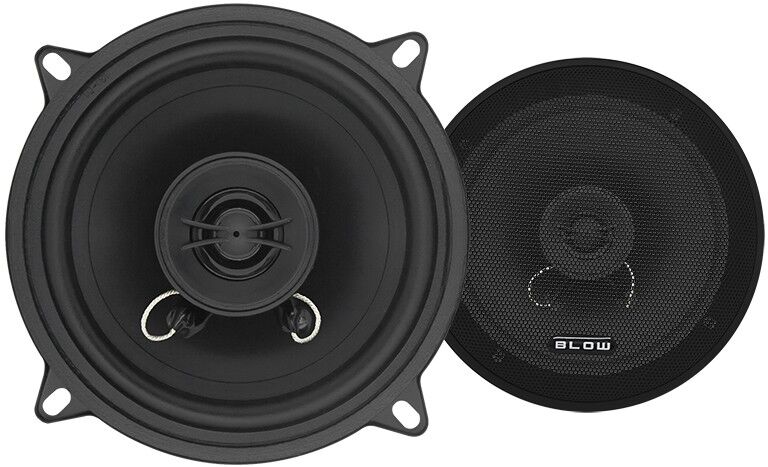
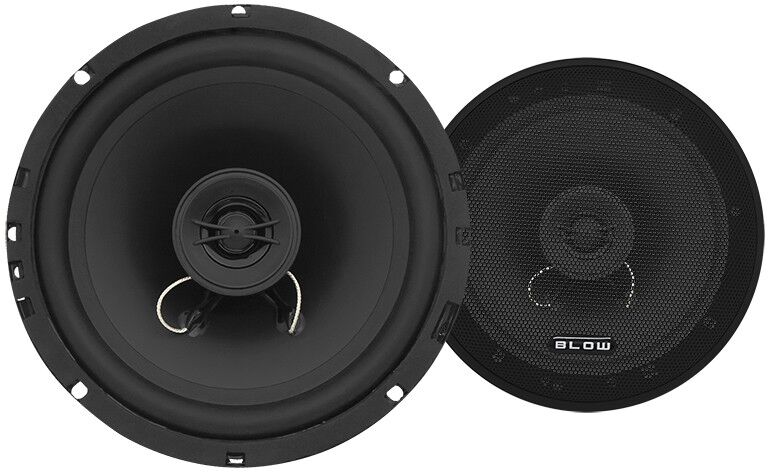
BLOW 0954# Coaxial speakersQuantity Unit: Pair; Power [W]: 150; Diameter [inch]: 6.5, 1 (coil); Resistor [ohm]: 4; Frequency Range [Hz]: 60-20000; Noise Level [dB]: 91; Diameter: 80 (magnet), 165; Fitted Diameter [mm]: 145; Fitting Depth [mm]: 57; Shape: round; Colour: black; Material: Butyl Rubber; Supplementary Article / Supplementary Info Info 2: with cover mesh; Product line: WH-1616; Type: 2-Way Coaxial; Number of bands: 2-band43,99 £*Shipping: 8,45 £Secure redirect to the provider
-
BLOW 0949# Triaxial speakersQuantity Unit: Pair; Type: 3-Way Coaxial; Length [inch]: 6; Width [inch]: 9; Resistor [ohm]: 4; Power [W]: 250; Frequency Range [Hz]: 40-22000; Noise Level [dB]: 91; Diameter: 80 (magnet); Material: Butyl Rubber; Colour: black; Shape: oval; Supplementary Article / Supplementary Info Info 2: with cover mesh; Length [mm]: 164; Width [mm]: 234; Fitting Depth [mm]: 75; Fitted Diameter [mm]: 219x149; Product line: WH-6916; Number of bands: 3-band69,49 £*Shipping: 8,45 £Secure redirect to the provider
-
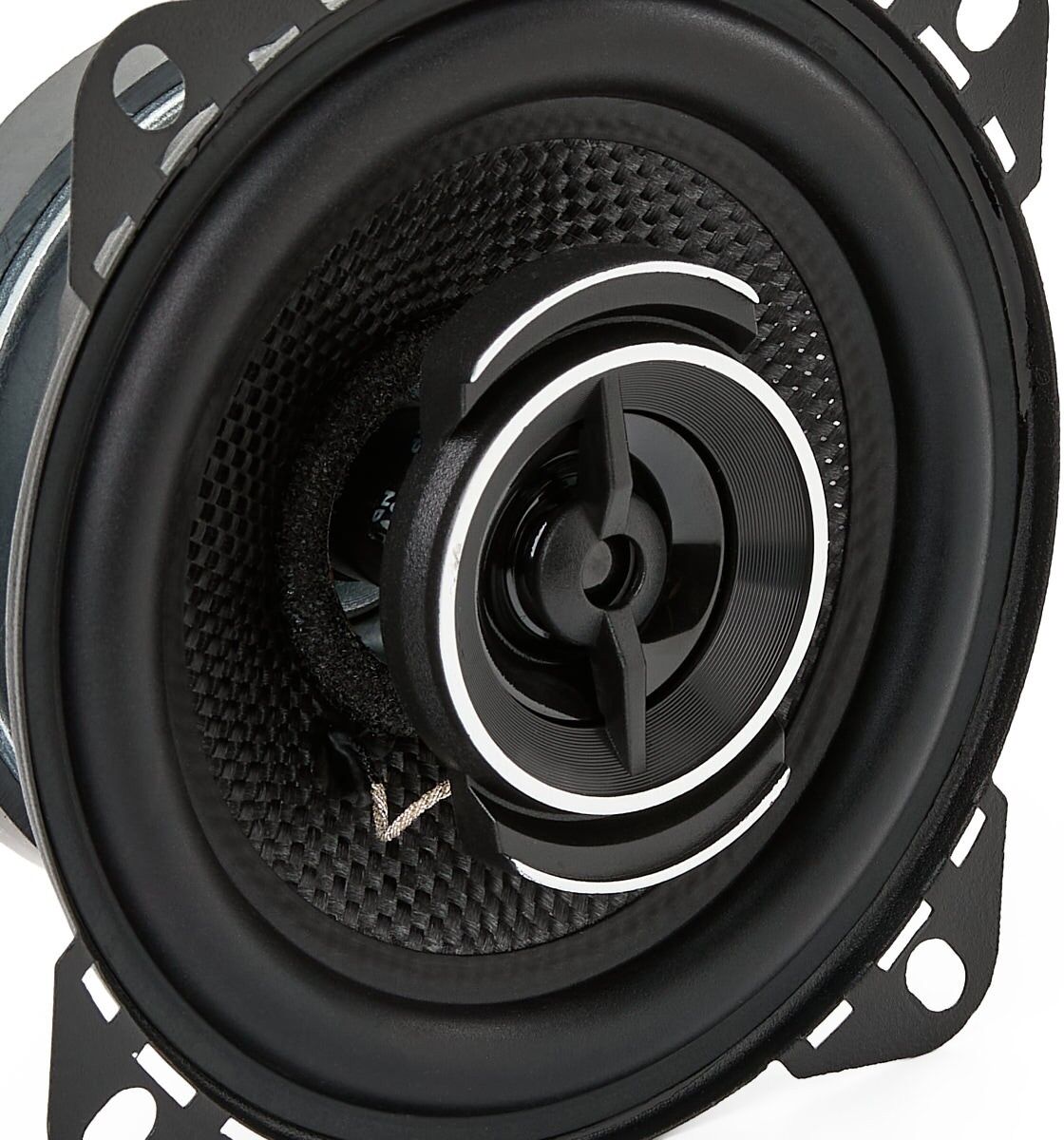
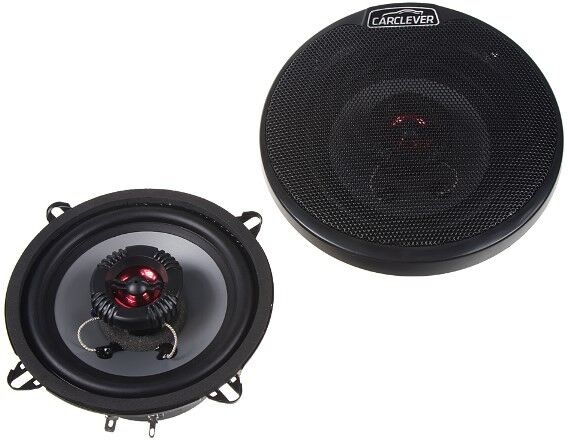
STUALARM RS132 Coaxial speakersNumber of bands: 2-band; RMS: 40 W; Power [W]: 80; Resistor [ohm]: 4; Diameter: 130; Fitting Depth [mm]: 53; Diameter [inch]: 5,25; Speaker type: coaxial system; Quantity Unit: Pair; Noise Level [dB]: 90; Frequency range from [Hz]: 70; Frequency range to [kHz]: 2042,99 £*Shipping: 8,45 £Secure redirect to the provider

-
Instead of car speakers, JBL speakers?
JBL speakers are a popular choice for car audio systems due to their high-quality sound and durability. They are known for their clear and powerful sound, making them a great alternative to traditional car speakers. JBL speakers are designed to deliver a premium audio experience, with features such as high power handling and efficient design. Overall, choosing JBL speakers for your car can enhance your driving experience with superior sound quality. **
-
What is the difference between efficiency and productivity?
Efficiency refers to how well resources are utilized to achieve a specific goal or output, while productivity measures the output or results generated from a specific amount of input or resources. Efficiency focuses on minimizing waste and maximizing output with the resources available, while productivity is a measure of how much output is produced relative to the input used. In essence, efficiency is about doing things right, while productivity is about doing the right things. **
-
Does increasing productivity lead to higher economic efficiency?
Yes, increasing productivity can lead to higher economic efficiency. When a company or economy can produce more output with the same input of resources, it can lead to lower production costs and higher profits. This can also lead to lower prices for consumers, which can increase overall economic welfare. Additionally, higher productivity can lead to increased competitiveness in the global market, which can further contribute to economic efficiency. **
-
What are the connections between efficiency and productivity?
Efficiency and productivity are closely connected in that efficiency refers to the ability to accomplish a task with minimal waste, effort, or cost, while productivity refers to the rate at which goods or services are produced. When a process or system is efficient, it can lead to increased productivity because it allows for more output to be generated with the same amount of input. Conversely, when productivity is high, it often indicates that the resources and processes are being used efficiently. Therefore, improving efficiency can lead to increased productivity, and vice versa, as they both contribute to the overall effectiveness of a business or organization. **


What is the difference between productivity, efficiency, and profitability?
Productivity refers to the amount of output produced per unit of input, such as time or resources. Efficiency, on the other hand, focuses on how well resources are used to achieve a specific goal or output. Profitability, meanwhile, is a measure of how efficiently a company generates profit relative to its costs and expenses. In essence, productivity is about output per input, efficiency is about resource utilization, and profitability is about the bottom line of a business. **
What is the relationship between productivity and economic efficiency?
Productivity and economic efficiency are closely related concepts. Productivity refers to the amount of output produced per unit of input, such as labor or capital. When productivity increases, more output is produced with the same amount of input, leading to greater economic efficiency. Economic efficiency, on the other hand, refers to the optimal allocation of resources to maximize output and minimize waste. Therefore, higher productivity often leads to greater economic efficiency as resources are used more effectively to produce goods and services. Conversely, lower productivity can lead to inefficiencies in resource allocation and reduced overall economic efficiency. **
Top-Angebote
Products related to Speakers:
-
BLOW 0946# Coaxial speakersQuantity Unit: Pair; Resistor [ohm]: 4; Power [W]: 120; Diameter [inch]: 5.25, 0.75 (coil); Frequency Range [Hz]: 65-20000; Noise Level [dB]: 90; Diameter: 129, 70 (magnet); Fitted Diameter [mm]: 114; Fitting Depth [mm]: 45; Shape: round; Colour: black; Product line: WH-1516; Type: 2-Way Coaxial; Number of bands: 2-band37,99 £*Shipping: 8,45 £Secure redirect to the provider
-
BLOW 0954# Coaxial speakersQuantity Unit: Pair; Power [W]: 150; Diameter [inch]: 6.5, 1 (coil); Resistor [ohm]: 4; Frequency Range [Hz]: 60-20000; Noise Level [dB]: 91; Diameter: 80 (magnet), 165; Fitted Diameter [mm]: 145; Fitting Depth [mm]: 57; Shape: round; Colour: black; Material: Butyl Rubber; Supplementary Article / Supplementary Info Info 2: with cover mesh; Product line: WH-1616; Type: 2-Way Coaxial; Number of bands: 2-band43,99 £*Shipping: 8,45 £Secure redirect to the provider
-
BLOW 0949# Triaxial speakersQuantity Unit: Pair; Type: 3-Way Coaxial; Length [inch]: 6; Width [inch]: 9; Resistor [ohm]: 4; Power [W]: 250; Frequency Range [Hz]: 40-22000; Noise Level [dB]: 91; Diameter: 80 (magnet); Material: Butyl Rubber; Colour: black; Shape: oval; Supplementary Article / Supplementary Info Info 2: with cover mesh; Length [mm]: 164; Width [mm]: 234; Fitting Depth [mm]: 75; Fitted Diameter [mm]: 219x149; Product line: WH-6916; Number of bands: 3-band69,49 £*Shipping: 8,45 £Secure redirect to the provider
-
Can economic efficiency and productivity develop mutually?
Yes, economic efficiency and productivity can develop mutually. When businesses and industries become more efficient in their operations, they can produce more output with the same amount of input, leading to increased productivity. Similarly, when productivity increases, it can drive economic efficiency by reducing waste and improving resource allocation. Therefore, as businesses and industries focus on improving efficiency and productivity, they can reinforce and support each other's development. **
-
What are side speakers, rear speakers, center speakers, and subwoofers?
Side speakers are positioned to the left and right of the main listening area and are responsible for creating a wider soundstage and enhancing the overall audio experience. Rear speakers are placed behind the main listening area and are used to create a sense of immersion and surround sound. Center speakers are typically placed in the middle of the front of the room and are responsible for delivering dialogue and other central audio elements. Subwoofers are dedicated to reproducing low-frequency sounds and are used to add depth and impact to the overall audio experience. **
-
Instead of car speakers, JBL speakers?
JBL speakers are a popular choice for car audio systems due to their high-quality sound and durability. They are known for their clear and powerful sound, making them a great alternative to traditional car speakers. JBL speakers are designed to deliver a premium audio experience, with features such as high power handling and efficient design. Overall, choosing JBL speakers for your car can enhance your driving experience with superior sound quality. **
-
What is the difference between efficiency and productivity?
Efficiency refers to how well resources are utilized to achieve a specific goal or output, while productivity measures the output or results generated from a specific amount of input or resources. Efficiency focuses on minimizing waste and maximizing output with the resources available, while productivity is a measure of how much output is produced relative to the input used. In essence, efficiency is about doing things right, while productivity is about doing the right things. **
Similar search terms for Speakers
-
STUALARM RS132 Coaxial speakersNumber of bands: 2-band; RMS: 40 W; Power [W]: 80; Resistor [ohm]: 4; Diameter: 130; Fitting Depth [mm]: 53; Diameter [inch]: 5,25; Speaker type: coaxial system; Quantity Unit: Pair; Noise Level [dB]: 90; Frequency range from [Hz]: 70; Frequency range to [kHz]: 2042,99 £*Shipping: 8,45 £Secure redirect to the provider
-
Pioneer TS-1001I Coaxial speakersResistor [ohm]: 4; Product line: TS-1001I; Colour: black; Power [W]: 110; Rated Power [W]: 20; Number of bands: 1-band; Outer Diameter [mm]: 100; Frequency range from [Hz]: 38; Shape: round, Conical; Material: PP (Polypropylene); Noise Level [dB]: 88; Resistance [ohm]: 4; Connector type: Renault, Opel, Volkswagen; Frequency range to [Hz]: 2500040,99 £*Shipping: 8,45 £Secure redirect to the provider
-
Does increasing productivity lead to higher economic efficiency?
Yes, increasing productivity can lead to higher economic efficiency. When a company or economy can produce more output with the same input of resources, it can lead to lower production costs and higher profits. This can also lead to lower prices for consumers, which can increase overall economic welfare. Additionally, higher productivity can lead to increased competitiveness in the global market, which can further contribute to economic efficiency. **
-
What are the connections between efficiency and productivity?
Efficiency and productivity are closely connected in that efficiency refers to the ability to accomplish a task with minimal waste, effort, or cost, while productivity refers to the rate at which goods or services are produced. When a process or system is efficient, it can lead to increased productivity because it allows for more output to be generated with the same amount of input. Conversely, when productivity is high, it often indicates that the resources and processes are being used efficiently. Therefore, improving efficiency can lead to increased productivity, and vice versa, as they both contribute to the overall effectiveness of a business or organization. **
-
What is the difference between productivity, efficiency, and profitability?
Productivity refers to the amount of output produced per unit of input, such as time or resources. Efficiency, on the other hand, focuses on how well resources are used to achieve a specific goal or output. Profitability, meanwhile, is a measure of how efficiently a company generates profit relative to its costs and expenses. In essence, productivity is about output per input, efficiency is about resource utilization, and profitability is about the bottom line of a business. **
-
What is the relationship between productivity and economic efficiency?
Productivity and economic efficiency are closely related concepts. Productivity refers to the amount of output produced per unit of input, such as labor or capital. When productivity increases, more output is produced with the same amount of input, leading to greater economic efficiency. Economic efficiency, on the other hand, refers to the optimal allocation of resources to maximize output and minimize waste. Therefore, higher productivity often leads to greater economic efficiency as resources are used more effectively to produce goods and services. Conversely, lower productivity can lead to inefficiencies in resource allocation and reduced overall economic efficiency. **
* All prices are inclusive of VAT and, if applicable, plus shipping costs. The offer information is based on the details provided by the respective shop and is updated through automated processes. Real-time updates do not occur, so deviations can occur in individual cases. ** Note: Parts of this content were created by AI.