Buy myls.eu ?
We are moving the project
myls.eu .
Are you interested in purchasing the domain
myls.eu ?
domain@kv-gmbh.de · 0541-91531010
Buy myls.eu ?
What is vestibular syndrome in dogs?
Vestibular syndrome in dogs is a condition that affects the inner ear and the balance system. It can be caused by a variety of factors, including infections, inflammation, or even tumors. Symptoms of vestibular syndrome include loss of balance, head tilt, rapid eye movements, and difficulty walking. While the sudden onset of these symptoms can be alarming, many dogs can recover with supportive care and treatment. It's important to consult with a veterinarian if you suspect your dog is experiencing vestibular syndrome to determine the underlying cause and appropriate treatment. **
What signs does an older dog with vestibular syndrome show?
An older dog with vestibular syndrome may show signs such as sudden loss of balance, head tilt, circling or falling to one side, rapid eye movements (nystagmus), and difficulty standing or walking. They may also exhibit signs of nausea, such as vomiting or loss of appetite. It is important to seek veterinary care if you notice these symptoms in your older dog, as vestibular syndrome can be distressing and uncomfortable for them. **
Similar search terms for Vestibular
Top-Angebote
Products related to Vestibular:
-
What signs does an older dog suffering from vestibular syndrome show?
An older dog suffering from vestibular syndrome may show signs such as sudden loss of balance, head tilt, circling or falling to one side, rapid eye movements (nystagmus), and difficulty standing or walking. They may also exhibit signs of nausea, such as drooling or vomiting. It is important to seek veterinary care if you notice these symptoms in your older dog. **
-
What are the signs of an older dog suffering from vestibular syndrome?
Signs of an older dog suffering from vestibular syndrome include sudden loss of balance, head tilt, circling or falling to one side, rapid eye movements (nystagmus), and difficulty standing or walking. Other symptoms may include nausea, vomiting, and a general sense of disorientation. It is important to seek veterinary care if you notice these signs in your older dog, as vestibular syndrome can be distressing for them and may require medical treatment. **
-
What signs does an older dog show when suffering from vestibular syndrome?
An older dog suffering from vestibular syndrome may exhibit symptoms such as sudden loss of balance, head tilt, circling or leaning to one side, rapid eye movements (nystagmus), and difficulty standing or walking. They may also experience nausea, vomiting, and disorientation. It is important to seek veterinary care if you notice these signs in your older dog, as vestibular syndrome can be distressing for them and may require medical treatment. **
-
Can economic efficiency and productivity develop mutually?
Yes, economic efficiency and productivity can develop mutually. When businesses and industries become more efficient in their operations, they can produce more output with the same amount of input, leading to increased productivity. Similarly, when productivity increases, it can drive economic efficiency by reducing waste and improving resource allocation. Therefore, as businesses and industries focus on improving efficiency and productivity, they can reinforce and support each other's development. **
How do you get the dog to eat when it has vestibular syndrome?
When a dog has vestibular syndrome, it may experience nausea and loss of appetite. To encourage the dog to eat, you can try offering small, frequent meals of easily digestible food such as boiled chicken and rice. You can also warm the food slightly to enhance its aroma and make it more appealing. Hand-feeding or using food puzzles to make mealtime more engaging may also help stimulate the dog's appetite. If the dog continues to refuse food, consult with a veterinarian for further guidance and possible appetite stimulants. **
How do you get the dog to eat when he has vestibular syndrome?
When a dog has vestibular syndrome, it is important to encourage them to eat by making their food more appealing. This can be done by warming up their food slightly to enhance the aroma, offering high-value treats, or hand-feeding them. It is also helpful to feed smaller, more frequent meals to prevent them from feeling overwhelmed. Additionally, consulting with a veterinarian for guidance on appetite stimulants or medications may be necessary in severe cases. **
Top-Angebote
Products related to Vestibular:
-
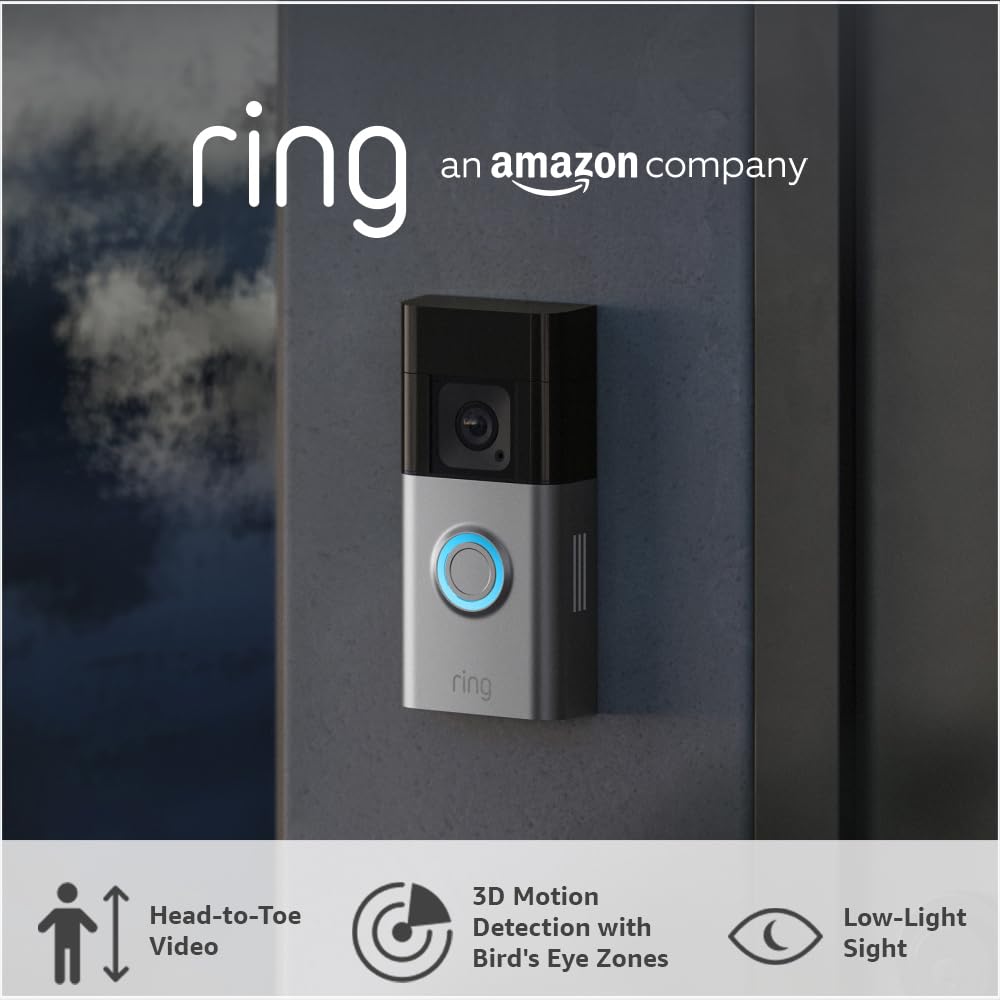
Ring Battery Video Doorbell Pro – Advanced Home Security & Connectivity, NewUpgrade your home security with the Ring Battery Video Doorbell Pro – Wireless Video Doorbell Security Camera . Designed to give you peace of mind, it delivers a head-to-toe 1536p HD view so you can see every detail clearly, from visitors to parcels at your doorstep. With advanced 3D Motion Detection and Bird’s Eye View , you’ll always know what’s happening around your home. The built-in colour night vision ensures crisp images even in the dark, while the wire-free battery design makes installation simple and flexible. Stay connected anywhere with instant notifications, two-way talk, and full integration with the Ring app, Alexa devices, and more. ✔️ Wireless video doorbell – Easy to install with a rechargeable battery, no wiring needed ✔️ 1536p HD head-to-toe view – See visitors and packages clearly in high definition ✔️ 3D Motion Detection & Bird’s Eye View – Advanced alerts and aerial perspective for extra security ✔️ Colour night vision – Crystal-clear video even in low light or darkness ✔️ Two-way talk with noise cancellation – Hear and speak to visitors in real time ✔️ Customisable motion zones – Focus on the areas that matter most ✔️ Smart alerts & notifications – Instant updates on your phone via the Ring app ✔️ Alexa compatible – Works seamlessly with Echo devices for hands-free monitoring ✔️ Quick-release battery pack – Easy to recharge and swap for uninterrupted security ✔️ Durable design – Built to withstand outdoor weather conditions The Ring Battery Video Doorbell Pro combines advanced motion detection, high-definition video, and smart home integration in one sleek device. Perfect for enhancing your home security, it ensures you never miss a visitor or delivery, day or night.174,49 £*Shipping: 0,00 £Secure redirect to the provider
-
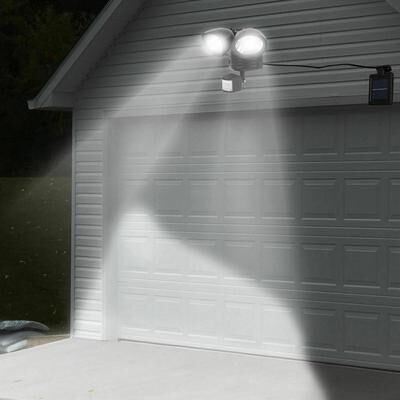
All Categories Goods LED Solar Security Light Dual Motion Sensor Outdoor Floodlight With LED Technology For Energy Efficient Illumination LED Solar Security Light Dual Motion Sensor Outdoor Floodlight With LED Technology For Energy Efficient IlluminationBrighten your outdoor space with the 1 pcs of 22 LED Solar Security Light, designed for maximum visibility and security. Powered by ecofriendly solar energy, this motion sensor floodlight activates when movement is detected, offering both...63,97 $*Shipping: 0,00 $Secure redirect to the provider
-
What is vestibular syndrome in dogs?
Vestibular syndrome in dogs is a condition that affects the inner ear and the balance system. It can be caused by a variety of factors, including infections, inflammation, or even tumors. Symptoms of vestibular syndrome include loss of balance, head tilt, rapid eye movements, and difficulty walking. While the sudden onset of these symptoms can be alarming, many dogs can recover with supportive care and treatment. It's important to consult with a veterinarian if you suspect your dog is experiencing vestibular syndrome to determine the underlying cause and appropriate treatment. **
-
What signs does an older dog with vestibular syndrome show?
An older dog with vestibular syndrome may show signs such as sudden loss of balance, head tilt, circling or falling to one side, rapid eye movements (nystagmus), and difficulty standing or walking. They may also exhibit signs of nausea, such as vomiting or loss of appetite. It is important to seek veterinary care if you notice these symptoms in your older dog, as vestibular syndrome can be distressing and uncomfortable for them. **
-
What signs does an older dog suffering from vestibular syndrome show?
An older dog suffering from vestibular syndrome may show signs such as sudden loss of balance, head tilt, circling or falling to one side, rapid eye movements (nystagmus), and difficulty standing or walking. They may also exhibit signs of nausea, such as drooling or vomiting. It is important to seek veterinary care if you notice these symptoms in your older dog. **
-
What are the signs of an older dog suffering from vestibular syndrome?
Signs of an older dog suffering from vestibular syndrome include sudden loss of balance, head tilt, circling or falling to one side, rapid eye movements (nystagmus), and difficulty standing or walking. Other symptoms may include nausea, vomiting, and a general sense of disorientation. It is important to seek veterinary care if you notice these signs in your older dog, as vestibular syndrome can be distressing for them and may require medical treatment. **
Similar search terms for Vestibular
-
What signs does an older dog show when suffering from vestibular syndrome?
An older dog suffering from vestibular syndrome may exhibit symptoms such as sudden loss of balance, head tilt, circling or leaning to one side, rapid eye movements (nystagmus), and difficulty standing or walking. They may also experience nausea, vomiting, and disorientation. It is important to seek veterinary care if you notice these signs in your older dog, as vestibular syndrome can be distressing for them and may require medical treatment. **
-
Can economic efficiency and productivity develop mutually?
Yes, economic efficiency and productivity can develop mutually. When businesses and industries become more efficient in their operations, they can produce more output with the same amount of input, leading to increased productivity. Similarly, when productivity increases, it can drive economic efficiency by reducing waste and improving resource allocation. Therefore, as businesses and industries focus on improving efficiency and productivity, they can reinforce and support each other's development. **
-
How do you get the dog to eat when it has vestibular syndrome?
When a dog has vestibular syndrome, it may experience nausea and loss of appetite. To encourage the dog to eat, you can try offering small, frequent meals of easily digestible food such as boiled chicken and rice. You can also warm the food slightly to enhance its aroma and make it more appealing. Hand-feeding or using food puzzles to make mealtime more engaging may also help stimulate the dog's appetite. If the dog continues to refuse food, consult with a veterinarian for further guidance and possible appetite stimulants. **
-
How do you get the dog to eat when he has vestibular syndrome?
When a dog has vestibular syndrome, it is important to encourage them to eat by making their food more appealing. This can be done by warming up their food slightly to enhance the aroma, offering high-value treats, or hand-feeding them. It is also helpful to feed smaller, more frequent meals to prevent them from feeling overwhelmed. Additionally, consulting with a veterinarian for guidance on appetite stimulants or medications may be necessary in severe cases. **
* All prices are inclusive of VAT and, if applicable, plus shipping costs. The offer information is based on the details provided by the respective shop and is updated through automated processes. Real-time updates do not occur, so deviations can occur in individual cases. ** Note: Parts of this content were created by AI.